
Selling an Inherited Home in Pennsylvania — Probate, Taxes & Your Options
Inheriting a home in Scranton or the surrounding Lackawanna County area is both a gift and a responsibility. Whether you've inherited a property you don't want, can't afford to maintain, live too far away to manage, or are splitting it with siblings who disagree on what to do — selling is often the right choice. But the process involves Pennsylvania-specific legal steps that can feel overwhelming.
This guide walks through exactly how inherited property sales work under Pennsylvania law, what probate actually means for your timeline, and how to move as efficiently as possible.
Does the Property Have to Go Through Probate?
Not always. It depends on how the property was owned:
- Jointly owned with right of survivorship: The property passes directly to the surviving co-owner without probate. Common with married couples.
- Transfer-on-Death (TOD) Deed: Pennsylvania enacted TOD deed legislation allowing property to pass directly to named beneficiaries. If the deceased had a valid TOD deed recorded with Lackawanna County, probate is bypassed entirely.
- Solely owned or held as "tenants in common": Probate is required. The property cannot be sold until an Executor or Administrator is appointed by the Lackawanna County Orphans' Court Division.
- Small estates: Pennsylvania allows a simplified "small estate" process for estates under $50,000 total — but real estate is typically excluded from this threshold calculation if the property is the primary asset.
Pennsylvania Probate Timeline for a Lackawanna County Property
- File with Register of Wills: Bring the original will, death certificate, and filing fee to the Lackawanna County Register of Wills. The Executor (named in the will) or an Administrator (appointed if no will) is formally issued Letters Testamentary or Letters of Administration — this is the legal authority to act on behalf of the estate.
- Inventory the estate: The Executor must inventory all assets, including real property. A formal appraisal of the Scranton home is typically required.
- Notice to creditors: PA law requires notice to all known creditors, plus a published notice. Creditors have one year to file claims against the estate. Most sales don't need to wait a full year — creditors are paid from proceeds at closing.
- Estate tax clearance: Pennsylvania charges a state inheritance tax (not estate tax) on inherited property. The rate depends on the heir's relationship to the deceased: 0% for surviving spouses, 4.5% for direct descendants (children, grandchildren), 12% for siblings, 15% for all others. The PA Department of Revenue at revenue.pa.gov must be notified — though you don't need full tax clearance before selling.
- Court approval (if required): If beneficiaries are in disagreement or if the Executor has a conflict of interest, the Orphans' Court may need to approve the sale. In straightforward cases with agreement among beneficiaries, the Executor can generally sell without court approval.
- Close the sale: The Executor signs the deed at closing. Proceeds first pay off mortgages, liens, estate expenses, and inheritance taxes, then are distributed to beneficiaries.
Pennsylvania Inheritance Tax — What Inheritors in Scranton Should Know
Unlike the federal estate tax (which only affects estates over $13.6 million as of 2024), Pennsylvania's inheritance tax hits many ordinary families. Key facts:
- Surviving spouses pay 0% inheritance tax
- Children and grandchildren pay 4.5%
- Siblings pay 12%
- All other heirs (nieces, nephews, friends) pay 15%
- PA offers a 5% discount if the tax is paid within 3 months of the date of death
- The tax is calculated on the appraised value of the property, not the sale price
The inheritance tax does not have to be paid before you sell — it's typically paid from estate proceeds at or after closing. The Pennsylvania Department of Revenue files a lien for unpaid inheritance taxes, which must be cleared at closing.
Selling an Inherited Scranton Property With Siblings (or Other Co-Heirs)
One of the most common complications we see in NEPA inherited property sales: multiple heirs who don't agree. One sibling wants to sell quickly. Another wants to fix it up first. A third lives out of state and isn't engaged. Meanwhile, property taxes, utilities, insurance, and potential maintenance costs keep accumulating — often $500–$1,500/month on an older Scranton property.
A cash sale to Simply Sold RE eliminates the paralysis. We buy as-is — no repairs required, no showings to coordinate, no waiting for a retail buyer. All heirs sign once. The estate closes. Everyone gets their share and moves on.
NEPA Resources for Estates and Inherited Property
Lackawanna County Register of Wills / Orphans' Court
Lackawanna County Government Center, 123 Wyoming Avenue, 5th Floor, Scranton, PA 18503 · (570) 963-6702
Probate filings, Letters Testamentary, estate records.
PA Department of Revenue — Inheritance Tax
revenue.pa.gov · (717) 787-8327
Inheritance tax forms, payment, and estate clearance certificates.
Northeast PA Legal Aid — Estates
(570) 346-8211 · nepalegalservices.org
Free probate and estate guidance for qualifying heirs.
Lackawanna County Bar Association
(570) 969-9600
Referrals to estate attorneys and probate specialists in the Scranton area.
Why Executors and Heirs in NEPA Choose Simply Sold RE
We buy inherited properties regularly throughout Lackawanna, Luzerne, Monroe, and surrounding counties. We understand the probate timeline, work directly with estate attorneys, and can wait for Letters Testamentary to be issued before closing. We buy in any condition — including properties with deferred maintenance, full contents left behind, or code violations. We've purchased Scranton homes where the heirs were out of state and never had to travel once for the transaction. Call Frank or Larry at (570) 433-9191 for a no-obligation consultation on your inherited property situation.
Pennsylvania Inheritance Tax — The Full Breakdown for NEPA Heirs
Pennsylvania is one of only six states with an inheritance tax (the others are Iowa, Kentucky, Maryland, Nebraska, and New Jersey). Unlike federal estate tax, which applies to the estate, Pennsylvania's inheritance tax is paid by the heirs based on their relationship to the deceased. For a Scranton home, this creates a predictable, calculable cost.
| Heir Relationship | Rate | On a $150,000 Home |
|---|---|---|
| Surviving spouse | 0% | $0 |
| Children / grandchildren / descendants | 4.5% | $6,750 |
| Siblings | 12% | $18,000 |
| Other heirs (nieces, nephews, friends) | 15% | $22,500 |
| Charitable organizations | 0% | $0 |
Pennsylvania inheritance tax is due 9 months from the date of death. If paid within 3 months, you receive a 5% discount on the tax owed. The tax is calculated on the fair market value of the property at the date of death — not the sale price. A formal appraisal from a PA-certified appraiser is typically required for the estate tax return. Always consult a PA estate attorney or CPA before filing.
The Federal Step-Up in Basis — A Major Tax Advantage for Heirs
One of the most valuable tax benefits of inheriting a home is the federal stepped-up basis. When you inherit a property, your cost basis for capital gains purposes is reset to the fair market value at the date of death — not what the original owner paid.
Example: Your parent bought a Scranton home in 1985 for $40,000. It's worth $160,000 at their death. You inherit it and sell for $165,000. Your taxable gain is only $5,000 ($165,000 − $160,000 stepped-up basis) — not $125,000. This can save heirs tens of thousands in federal capital gains tax. Pennsylvania also follows the stepped-up basis for state income tax purposes.
This stepped-up basis is one reason heirs often benefit from selling relatively quickly after inheriting — prices fluctuate, and a longer hold means more appreciation above the stepped-up basis is potentially taxable.
Out-of-State Heirs — Managing a Scranton Property Remotely
A significant portion of inherited Scranton properties are managed by heirs who no longer live in the area. Managing an estate property from out of state creates real costs and risks:
- Vacant property insurance premium (standard policies often lapse after 30–60 days vacancy) — $150–$400/month for a rider or separate policy
- Ongoing property taxes — Lackawanna County doesn't pause taxes because the owner died
- Utility costs (keeping heat on to prevent pipe damage in NEPA winters) — $150–$300/month
- Property maintenance and lawn care — $100–$200/month
- Risk of vandalism, break-ins, or squatters in a vacant home
- Cost of travel to Scranton for estate cleanout, showings, or inspections
Simply Sold RE can close on an inherited Scranton property entirely remotely — power of attorney, electronic signatures, and title company coordination mean you never have to return to Scranton if that's not practical. We also buy properties full of contents and handle the cleanout ourselves. If the inherited home is north of the city, we buy houses in Clarks Summit and the surrounding Abington Heights area on exactly the same terms — a market where estate properties are frequently handled by heirs living out of the area.
Ready to Discuss Your Situation?
Whether the estate is still open or the heirs are still deciding, call us. We will tell you what the inherited house is worth as it sits and how soon the estate could close on it.
Real Properties We've Purchased
Two Pennsylvania purchases where a family was settling a parent's property, with photos from the actual houses. Open either one to see how the sale came together. The second is a Luzerne County estate, so if the house you inherited is down the valley, here's how we help heirs sell a house fast in Wilkes-Barre, PA for cash.
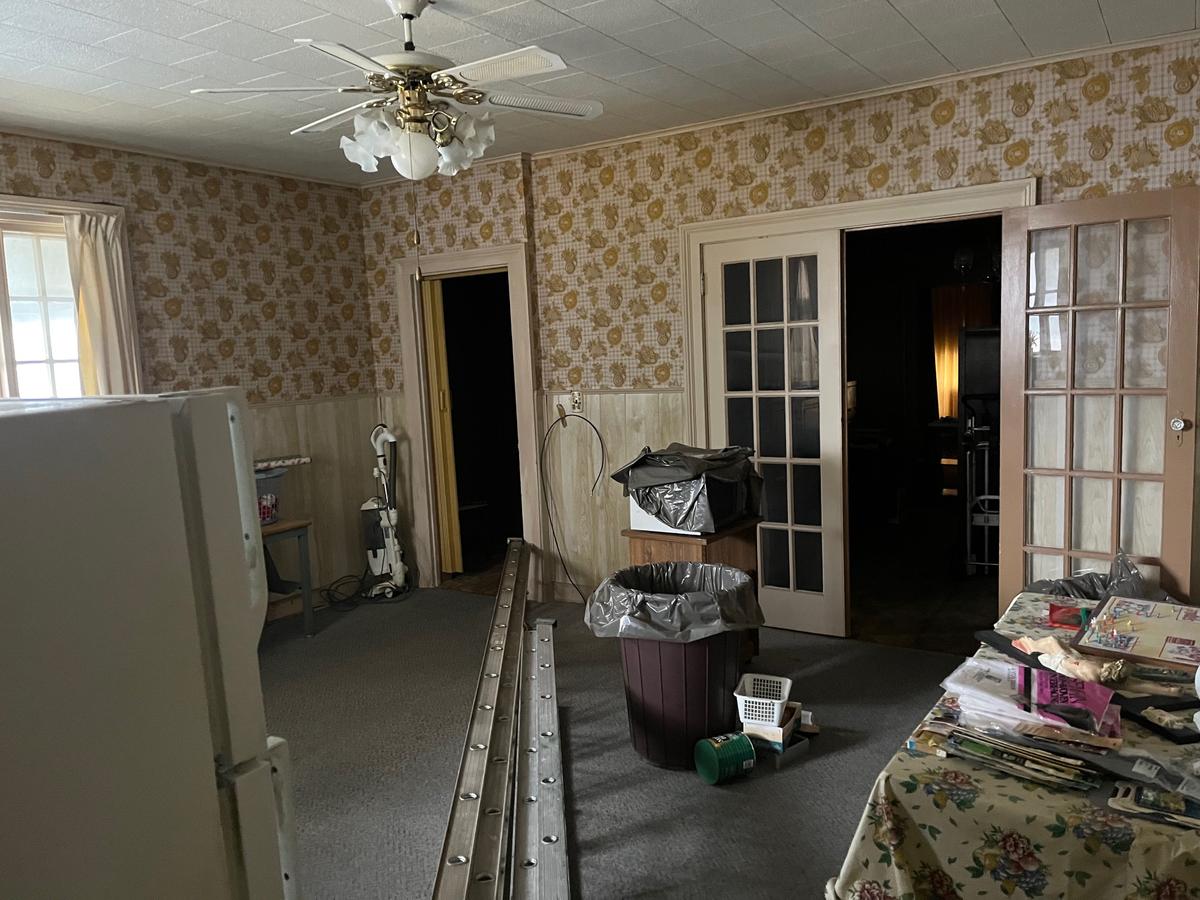
A son acting as POA for his 98-year-old father sold before his father passed — avoiding the full Pennsylvania probate process entirely.
Read the full story →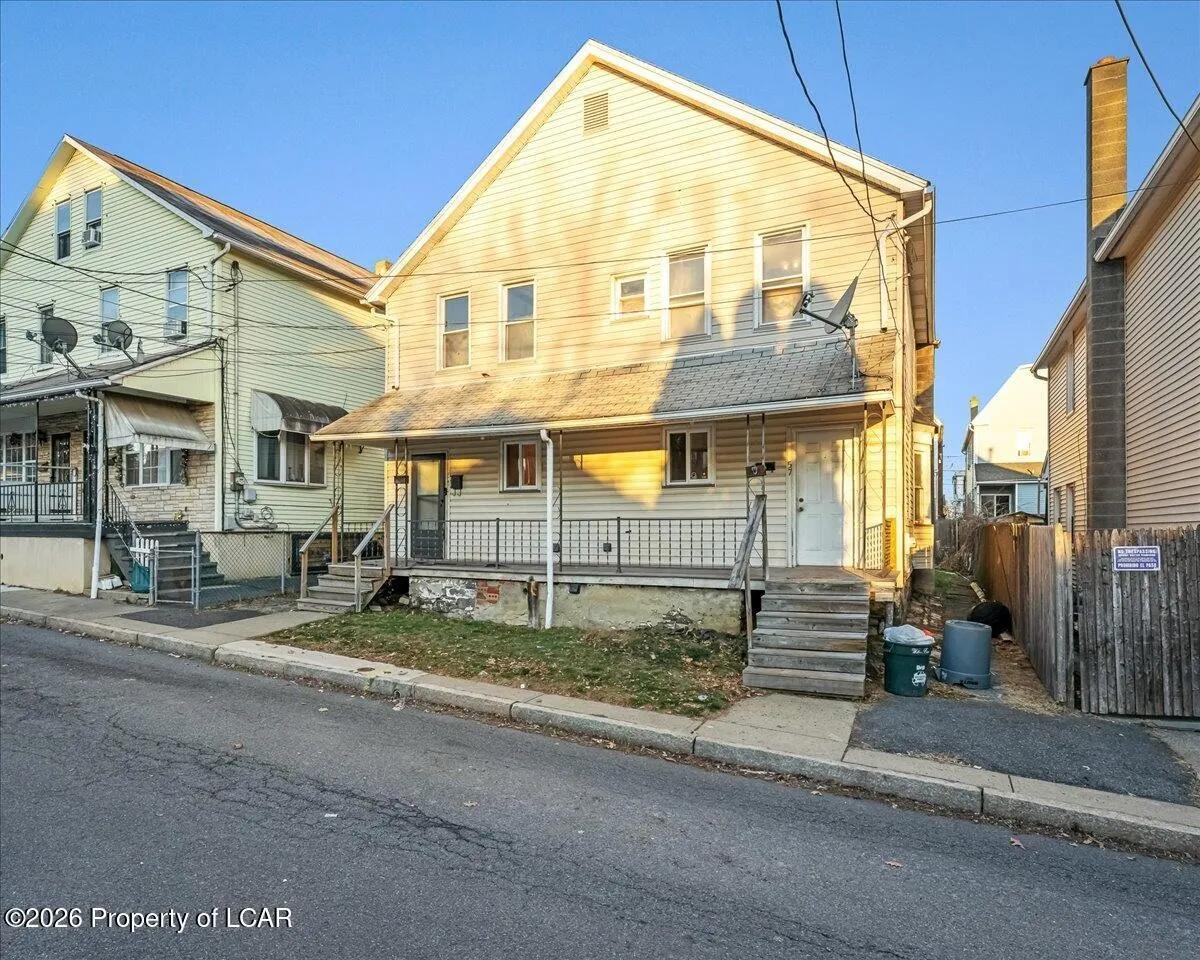
Title blocked by a student loan lien from the estate. We coordinated directly with a probate attorney to clear it and close.
Read the full story →