A Lien on the Title,
Water in the Basement
The Situation
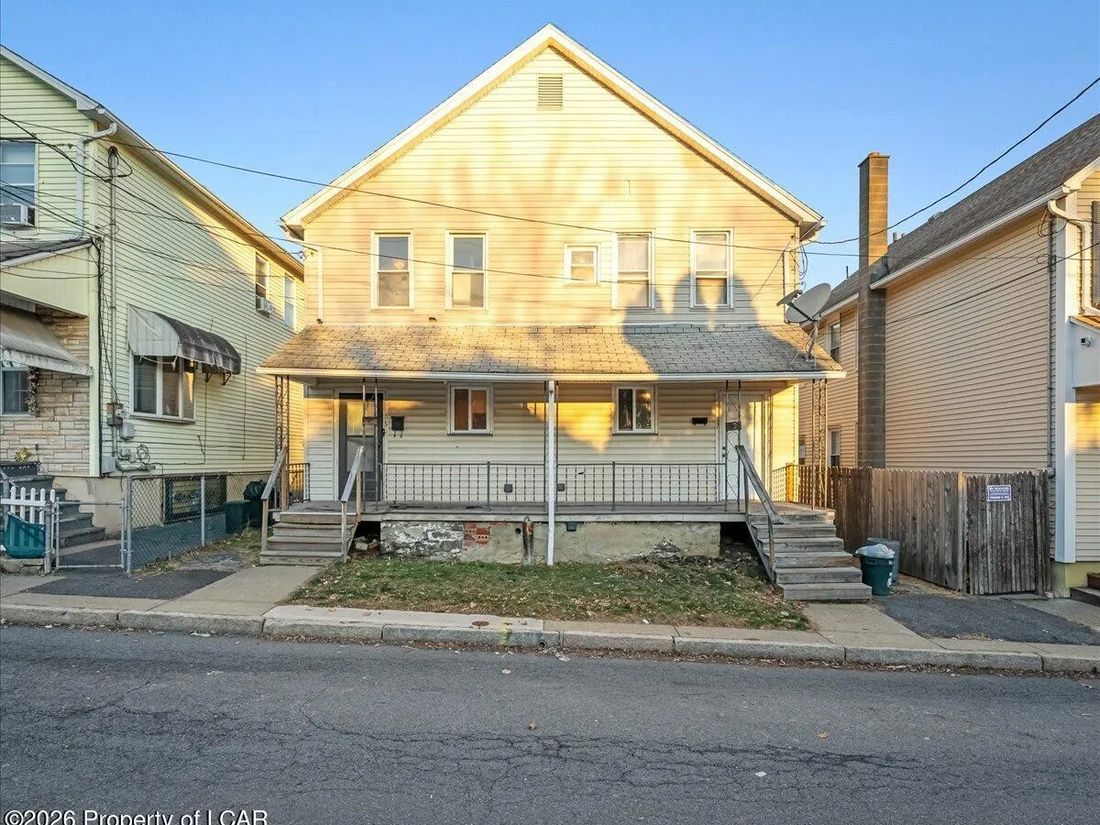
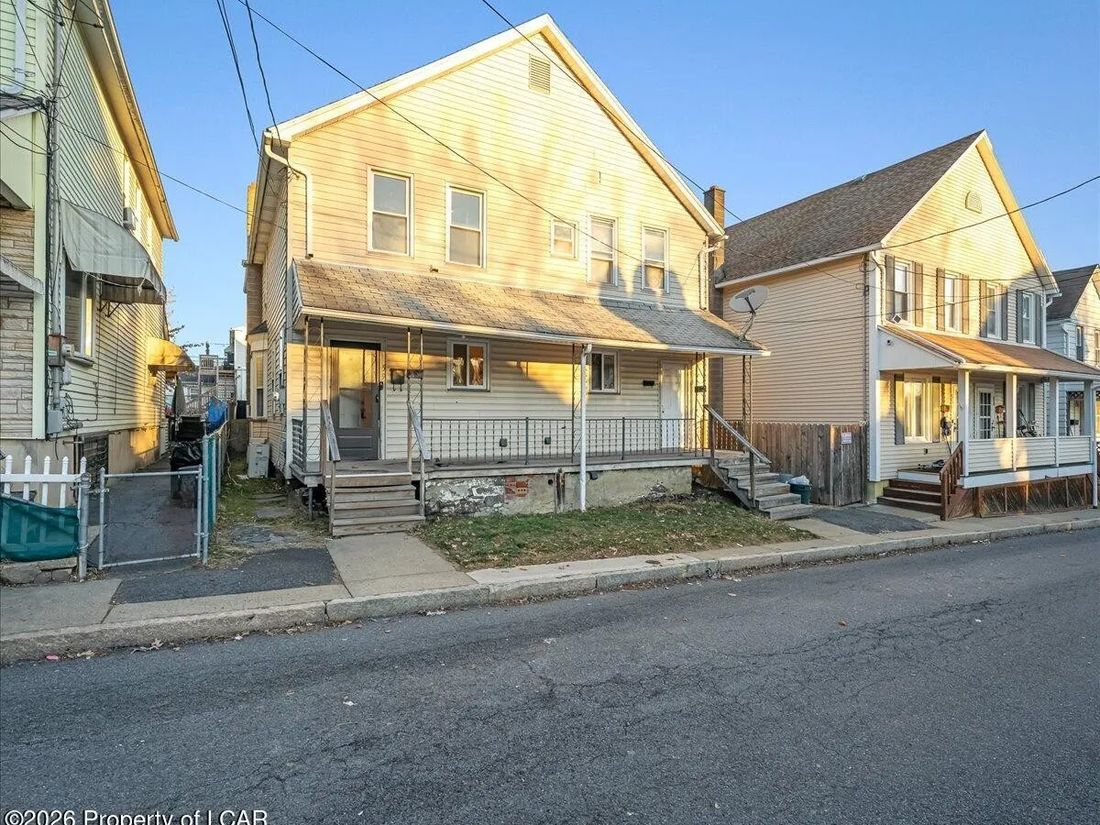
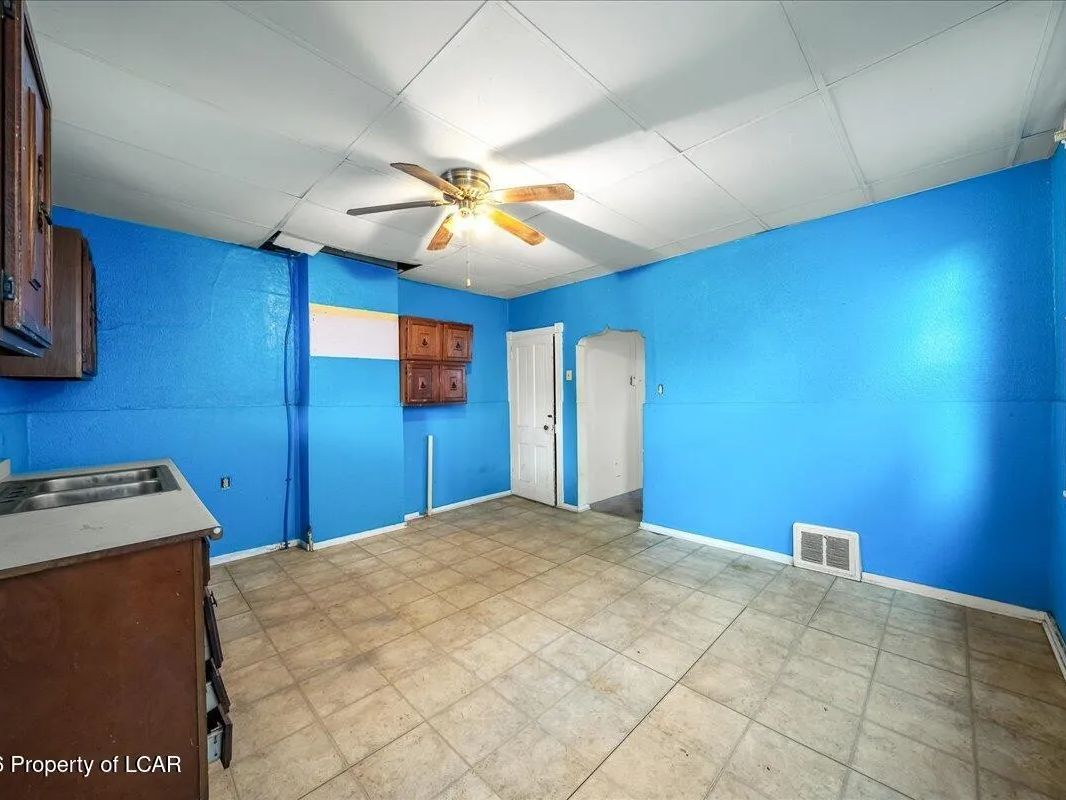
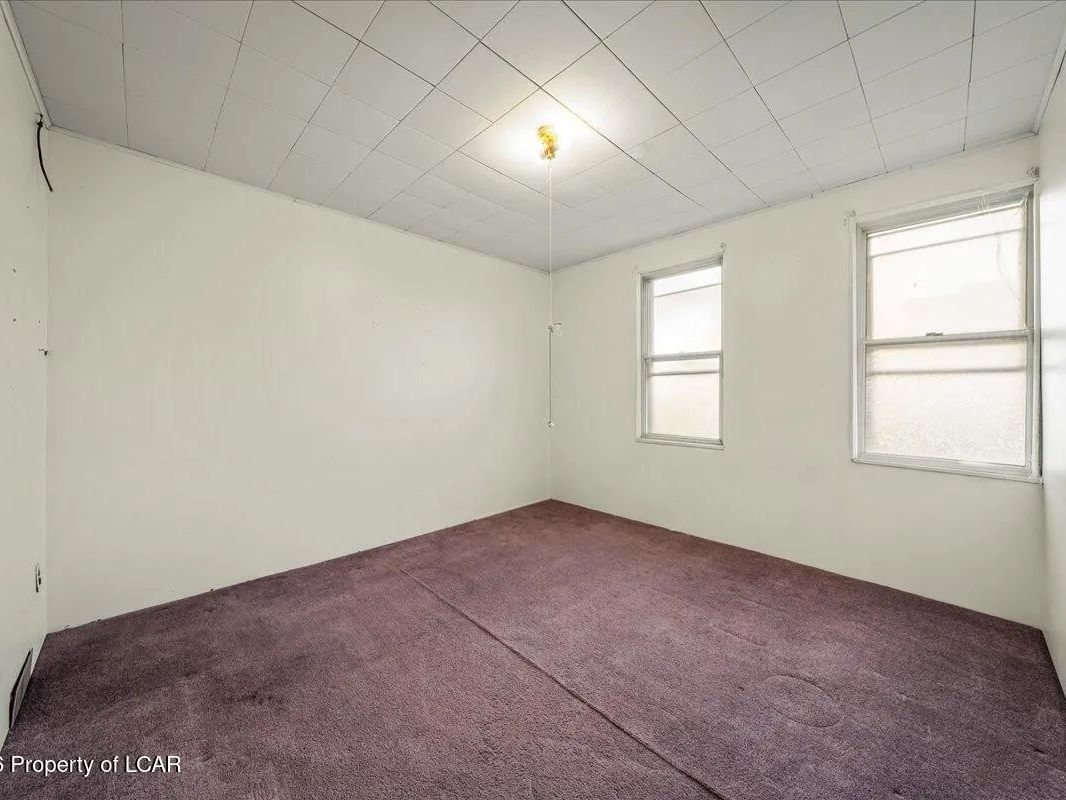
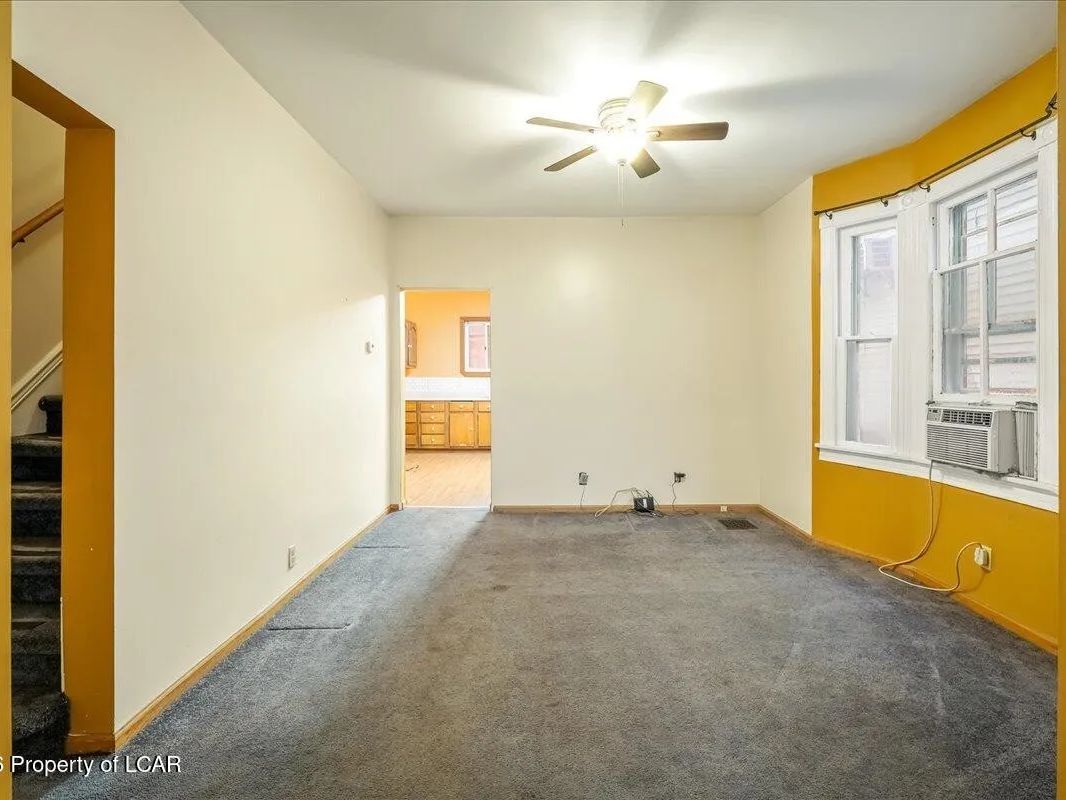
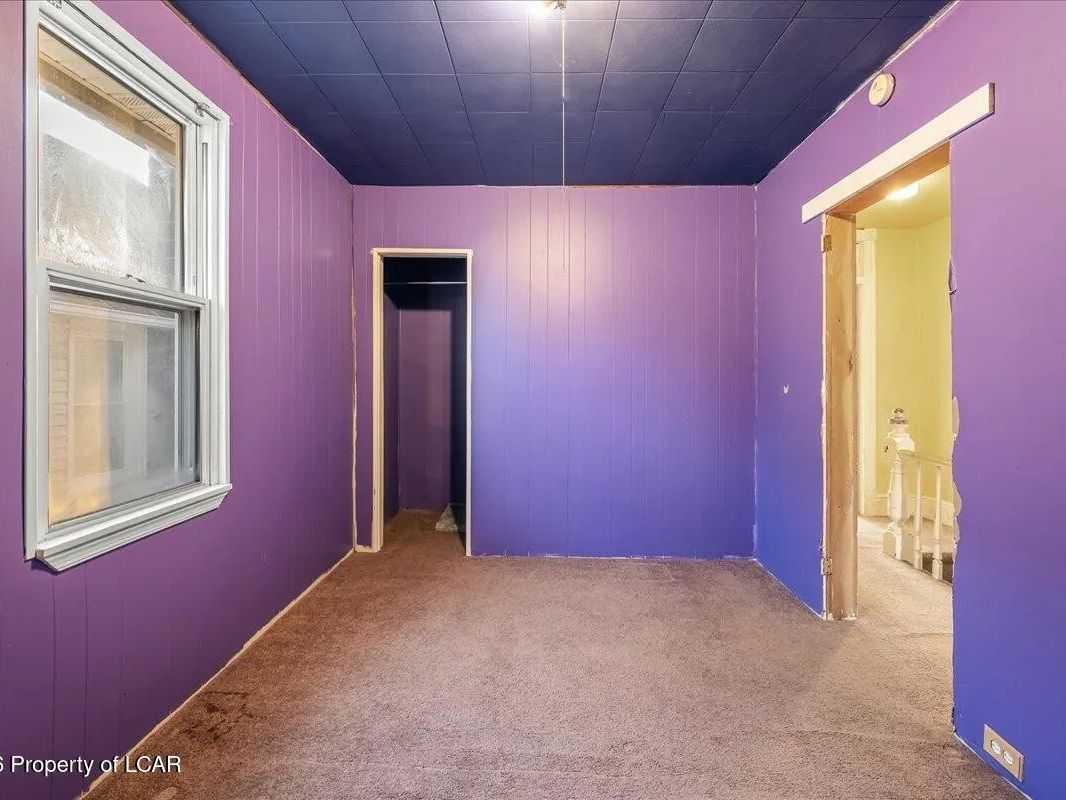
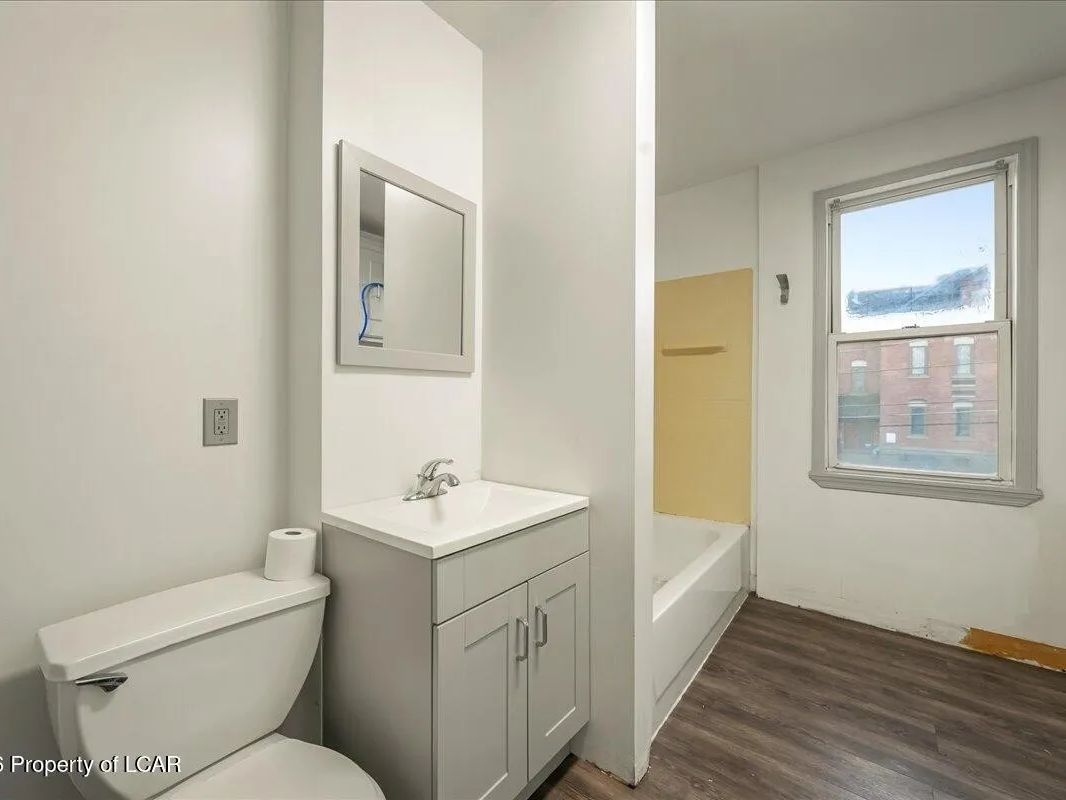
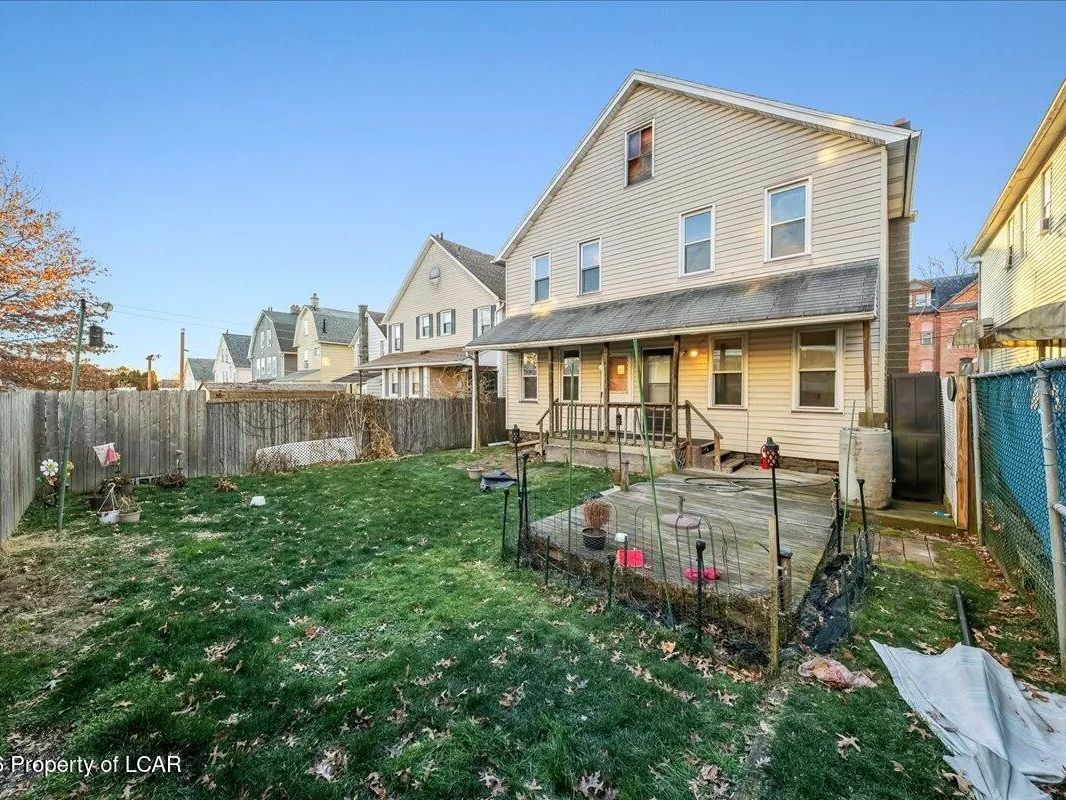
This Pershing Street property is a two-unit building — addresses #57 and #59 — of the kind that fills the older residential blocks of Wilkes-Barre. The seller was disposing of his parents' house.
He lived about fifteen minutes away, which is a specific and quite common position: close enough to be responsible for the property, far enough that it was never going to become his home. He had no residency there, no intention of moving in, and no appetite for taking on the maintenance of a building he had inherited responsibility for rather than chosen.
What he wanted was a clean exit with minimal personal involvement. What stood in the way was a title problem and, as it turned out, a basement.
The Lien Affecting Title
Working through a probate attorney, the estate had identified a student loan payoff that was affecting title to the property.
This surprises people, so it is worth explaining. Debts do not simply vanish when someone dies — they become obligations of the estate, and where a creditor has obtained a judgment or the debt has otherwise attached to real property, it can encumber the title. The house cannot convey clear until it is resolved. In practice that means the debt is identified, a precise payoff figure is obtained, and it is satisfied out of the proceeds at closing.
None of that is exotic, but all of it takes coordination — between the estate, the attorney, the creditor and the title company — and it is exactly the kind of work that leaves a family stalled for months when nobody is actively driving it.
More things than most heirs expect. Unpaid taxes and municipal charges. Judgments entered against the deceased. Medical assistance claims. Unreleased mortgages from decades earlier. And debts like this one, where an obligation nobody was thinking about turns out to attach to the real estate. Each has to be identified and cleared before a title insurer will write a policy — and until they do, no financed buyer can purchase the property.
Then the Final Inspection
Two further problems surfaced late.
The first was utilities. The water meters were missing, and new meter installations had to be coordinated with the city before the property could change hands properly. This is a mundane-sounding item that reliably delays closings, because it depends on a municipal department's schedule rather than anyone's urgency.
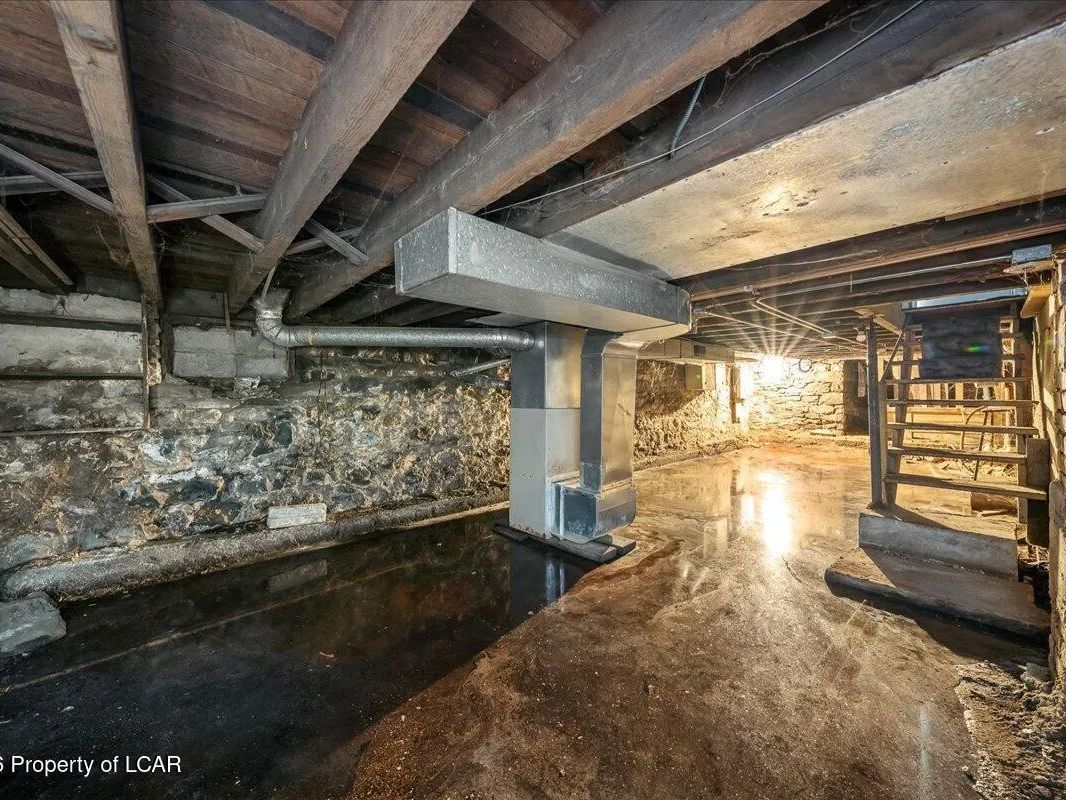
The second was the basement. The final inspection found six to eight inches of standing water across the floor — visible in the gallery below.
That is a genuine safety hazard, not a cosmetic complaint. Standing water in a basement with live electrical service and mechanical equipment is dangerous to walk into, and it signals something ongoing: a failed sump, a drainage problem, groundwater intrusion, or a plumbing failure nobody had been present to notice. In an occupied house someone finds this within hours. In a property being cleared after a death, it can sit for months.
What We Took On
- Coordination with the probate attorney to resolve the student loan payoff clouding title
- New water meter installations arranged with the city for both units
- The standing water, its cause, and the condition of everything it had affected
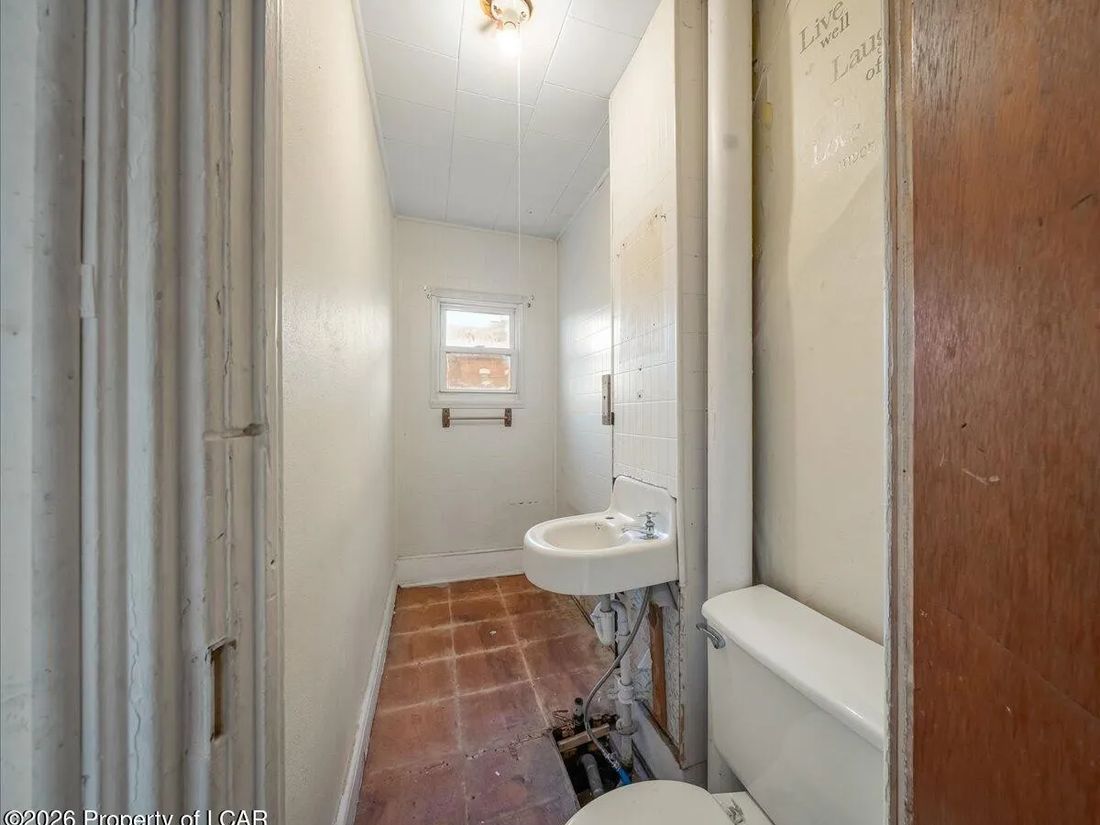
- The building's wider deferred maintenance across both units
The seller's involvement was limited to what only he could do — signing, and working with his attorney on the estate side. He did not have to project-manage a building fifteen minutes away that he had never wanted.
If You've Inherited a Multi-Unit in Wilkes-Barre
Wilkes-Barre, Kingston, Plymouth and the surrounding Wyoming Valley boroughs are full of two- and three-unit buildings, much of it built for the coal-era workforce and held by the same families since. When that generation passes, the buildings land with adult children who frequently live nearby but have no use for them.
Questions worth answering early:
- Has anyone run a title search? Liens and judgments against a deceased owner are common and invisible until someone looks.
- Are the units occupied, and is there documentation — leases, deposits, payment records?
- Is the building actually being checked? Vacant properties fail quietly, and water damage compounds.
- Are taxes and municipal charges current? In Pennsylvania these escalate toward tax sale on their own schedule — our guide to the county tax sale process explains how quickly.
- Who is actually driving the probate? If the answer is nobody, it will not move.
We buy inherited and estate property across the region, multi-unit buildings and rentals, houses needing serious work, and properties carrying tax liens and title defects. Our Pennsylvania probate guide walks through the process, and if a lender has begun proceedings, our foreclosure process walkthrough sets out the timeline.
Where We Buy in Northeastern Pennsylvania
Wilkes-Barre is core to our market, along with Scranton, Wilkes-Barre, Kingston, Pittston, Dunmore, Old Forge, Clarks Summit, Carbondale, Nanticoke, Hazleton and Stroudsburg. See all areas we serve, read how it works, or check how to tell a legitimate cash buyer from a bad one before you deal with anybody, including us.
Inherited Multi-Unit Property & Title Problems — Common Questions
Can a debt really attach to a house after someone dies?
Yes. Debts become obligations of the estate, and where a creditor has obtained a judgment or the debt has otherwise attached to real property, it encumbers the title. On this property a student loan payoff was affecting title and had to be resolved before the building could convey clear. Heirs are frequently unaware until a title search turns it up, which is why running one early is worth doing.
What does it mean when a lien is 'affecting title'?
It means there is a recorded claim against the property that must be satisfied before clear ownership can transfer. No title insurer will write a policy over it, so no lender will fund a purchase. In practice the lien is identified, a payoff figure good through the closing date is obtained, and it is paid from the proceeds at settlement — but that requires coordination between the estate, its attorney, the creditor and the title company.
Why were the water meters missing, and does that matter?
Meters are sometimes pulled by the utility when an account goes unpaid or a property sits vacant. It matters because new installations must be coordinated with the city before the property can properly transfer and units can be serviced — and municipal departments work to their own schedule, not the transaction's. It is a small item that reliably adds weeks.
Is standing water in a basement dangerous?
Yes, particularly where there is live electrical service and mechanical equipment at floor level. Beyond the immediate hazard, it indicates something ongoing — a failed sump pump, groundwater intrusion, a drainage failure or a plumbing leak. It also means everything it has touched needs assessing for damage and mould. This is not a condition to walk into casually, and it is a common find in properties that have been sitting after a death.
I live nearby but don't want the property. What are my options?
This is an extremely common position and there is no obligation to keep an inherited building. Realistically the options are: sell it, rent it out and become a landlord, or keep paying to hold it. If you have no intention of living there and no appetite for managing tenants, holding it simply drains the estate. A direct sale ends the responsibility without you having to repair, clear or manage anything first.
Do I have to finish probate before selling?
Generally the estate needs authority to convey, which usually means the personal representative has been appointed and the process has reached the right stage. We regularly go under contract while probate is progressing and close once the estate can convey. If the process has stalled, that is usually an attention problem rather than a legal one — worth asking your attorney precisely what is outstanding.
Will you buy a two-unit with tenants in place?
Yes. We buy tenant-occupied buildings regularly and take the tenancy as it stands. You do not need to serve notice or empty units before selling. Documentation helps — leases, payment records, deposit accounting — but its absence is not a barrier, and reconstructing it is our problem rather than yours.
What if taxes haven't been paid on the property?
Unpaid property taxes and municipal charges are extremely common on estate properties, and in Pennsylvania they escalate toward a county tax sale on their own timeline regardless of what the estate is doing. They are typically paid from proceeds at closing. Our county tax sale guide explains the stages and how much time you realistically have.
Do I need to clear the building out?
No. Take anything you want and leave the rest. Clearing a parent's building is emotionally and physically demanding work, and it is work we handle as part of buying rather than something you need to complete first.
Do you buy multi-unit property in Wilkes-Barre?
Yes — the Wyoming Valley's housing stock is heavily two- and three-unit, and it is a property type we actively look for. Estate buildings, tenant-occupied buildings, and properties with title defects or water damage are all things we buy regularly.