Selling Under Power
of Attorney
The Situation
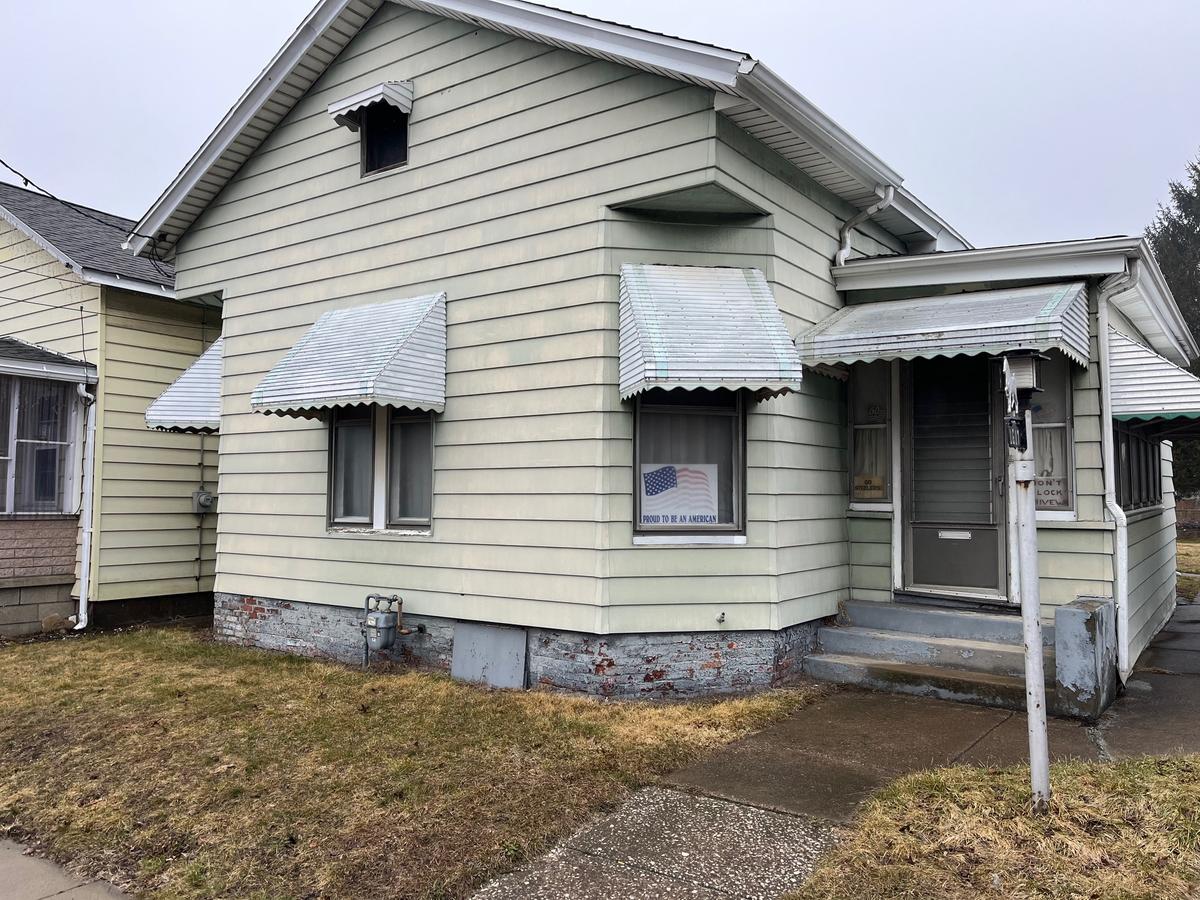
The seller was acting under power of attorney for his father, who was 98 and a half years old. The house on Liberty Street was a 1920s single-family, vacant, and owned free and clear.
He was not selling because of a financial emergency. He was selling because he had thought carefully about what would happen if he did not.
Why He Sold Before, Rather Than After
His reasoning was straightforward, and worth setting out because a lot of families never consider the option at all.
If the house passed through his father's estate, it would have to go through probate. Pennsylvania also levies an inheritance tax on assets passing to heirs, with the rate depending on the relationship — lineal descendants such as children pay a lower rate than more distant relatives, but it is not zero. On top of that comes the transfer of title itself, and the general administrative work of estate settlement.
His description of what he wanted to avoid was blunt: the nightmare of probate, inheritance taxes and title transfers after his father passed.
Selling now, under a valid power of attorney, meant the property converted to proceeds during his father's lifetime — and the estate would deal with a straightforward asset rather than a deteriorating 1920s house needing a full rehab.
We should be clear: we are not attorneys or tax advisers, and none of the above is advice. The interaction between a lifetime sale, inheritance tax and estate planning is genuinely complex and depends entirely on individual circumstances. Anyone considering this should speak with an estate attorney before acting. What we can tell you is that this seller had thought it through and knew exactly why he was doing it.
A power of attorney lets an agent act on someone's behalf, but the specific powers matter enormously. Selling real estate generally requires that authority to be expressly granted in the document, and title companies scrutinise POA documents carefully — the wording, the date, whether it is durable, and whether the principal was competent when it was signed. A POA also terminates on death, which is precisely why acting during the principal's lifetime is the whole point. This is one area where the paperwork genuinely has to be right.
The Condition of the House
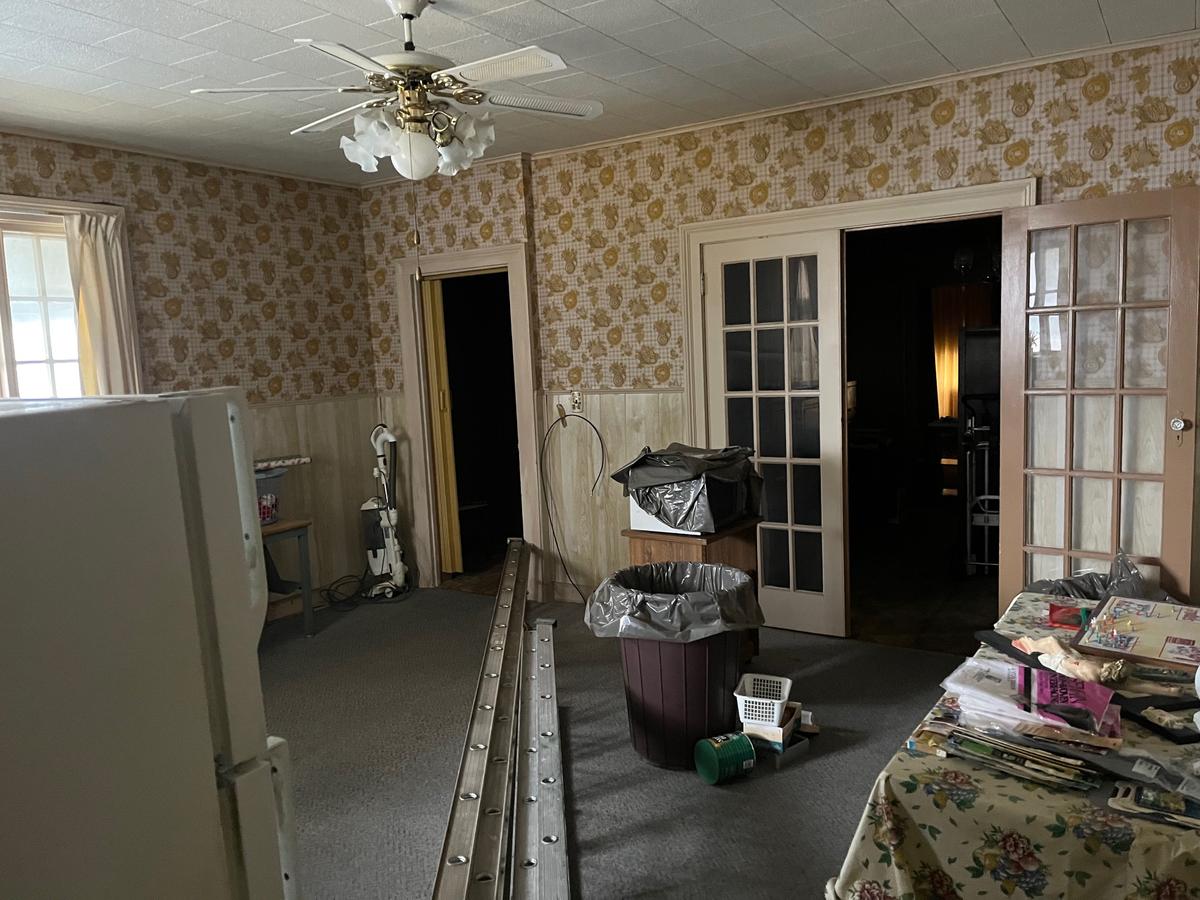
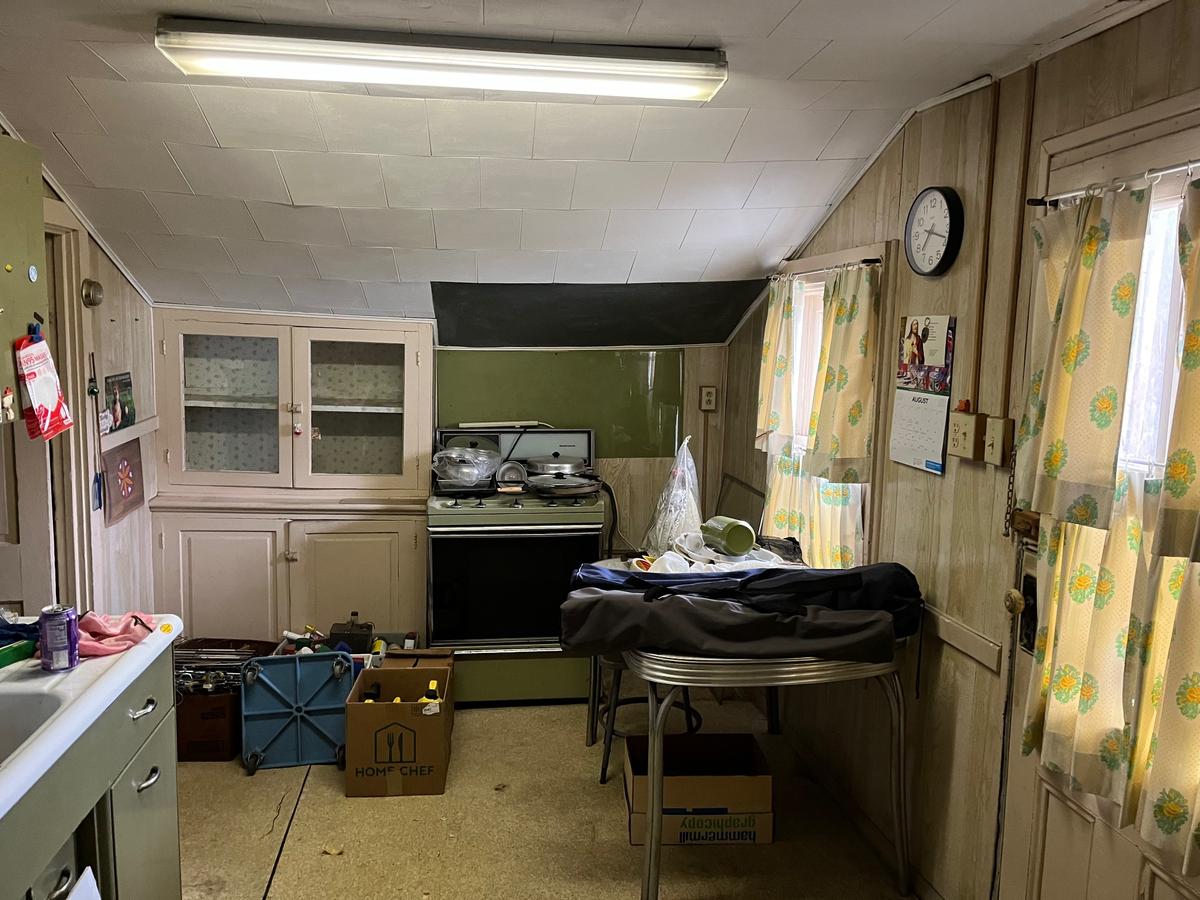
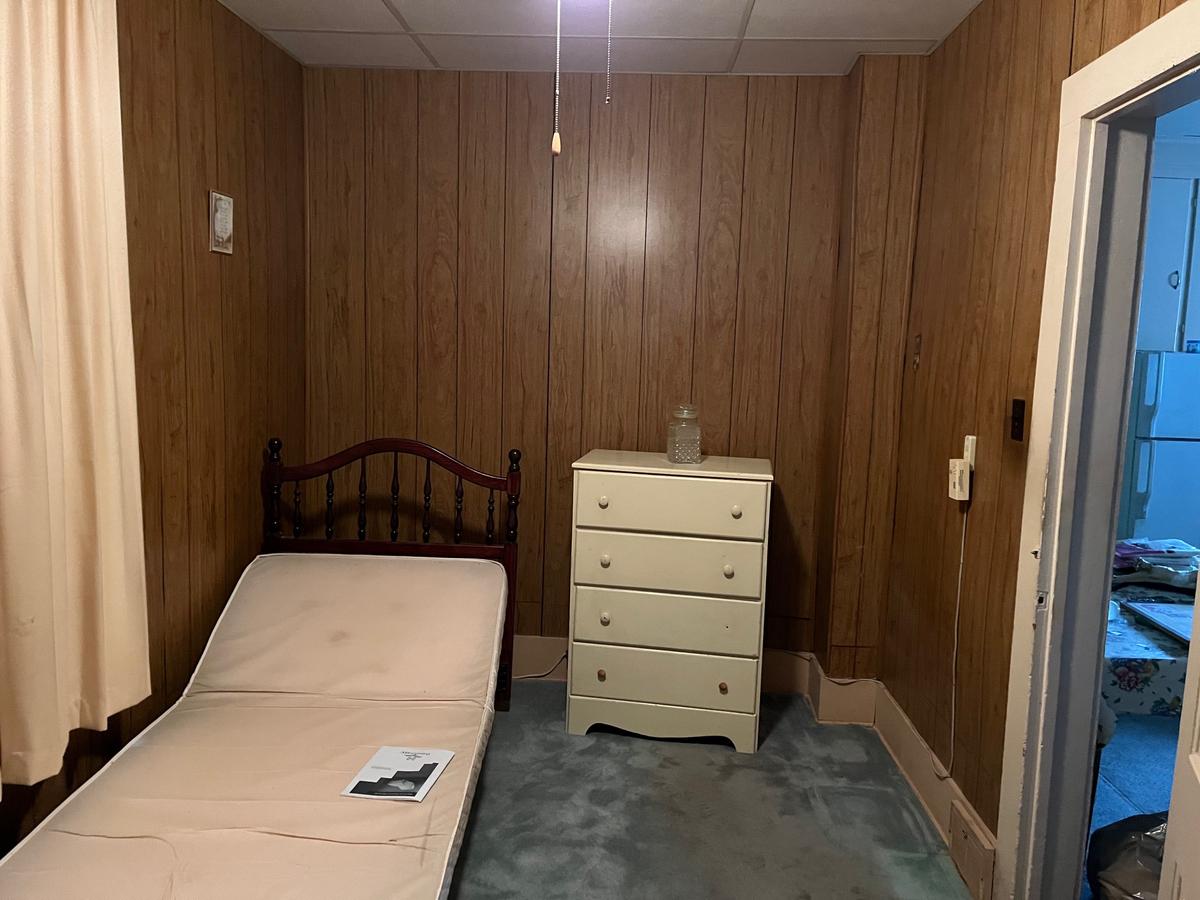
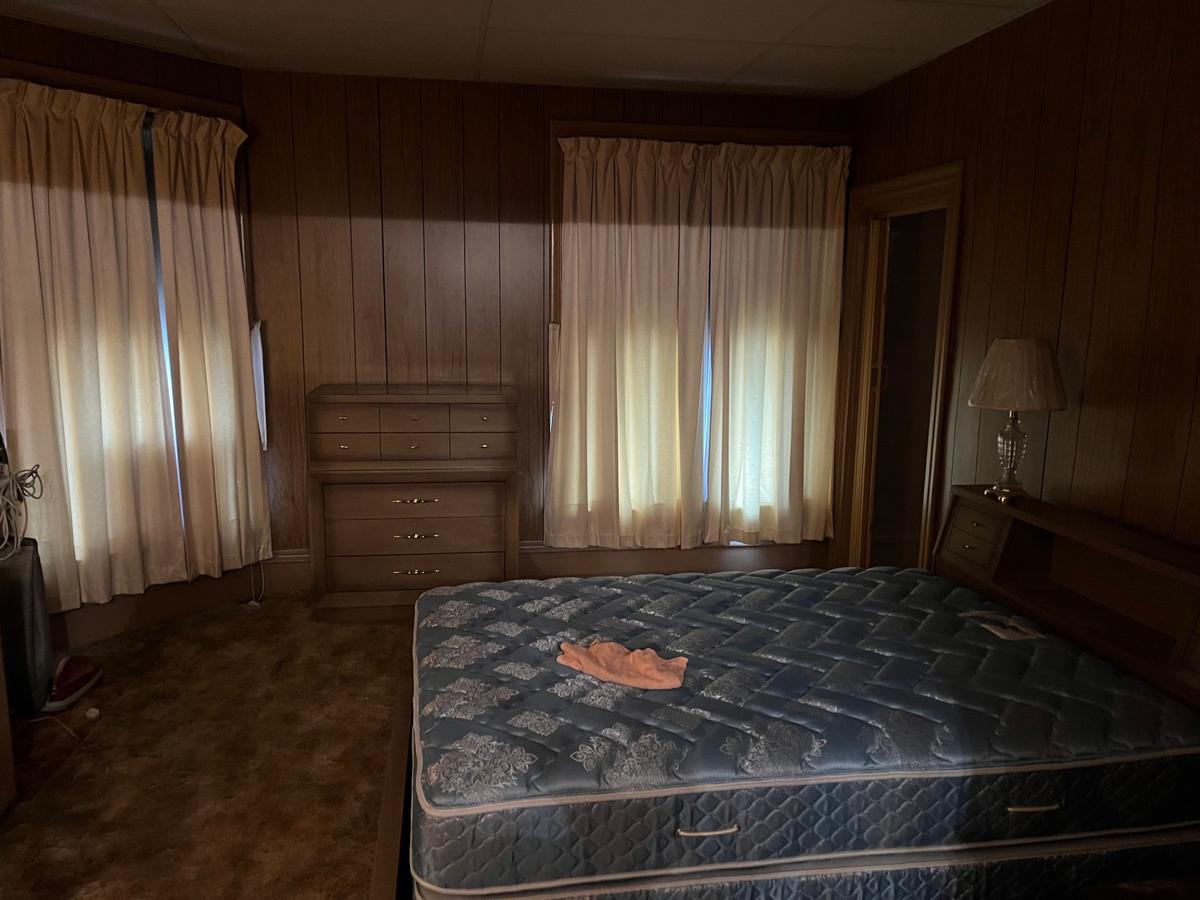
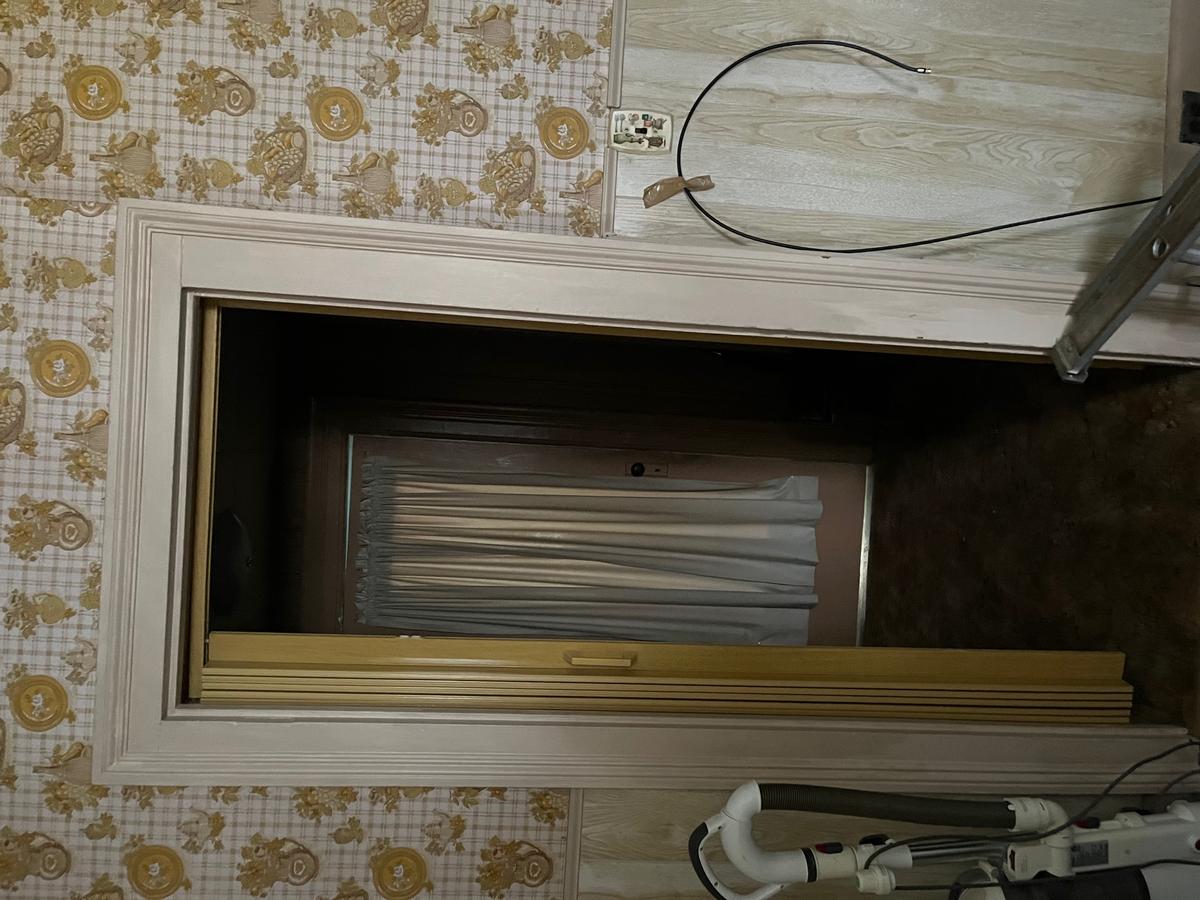
The property needed a full structural and cosmetic overhaul. The seller rated it around three out of ten, which was fair.
- A burst pipe, with the damage that follows in an unoccupied house
- Electrical the seller himself described as "scary"
- 1920s construction with original finishes throughout and no meaningful updating
- Vacant, and continuing to accrue taxes and utility costs while producing nothing
His phrase for the situation was that they were "just paying bills" on a house nobody lived in. That is the quiet cost of holding an empty property: no mortgage, no crisis, just a steady outflow with nothing coming back.
Why He Wouldn't List It
He refused to list with a realtor, and his reason was specific: fear of the legal disclosures.
That concern is more reasonable than it might sound. Pennsylvania requires sellers to disclose known material defects, and an agent-managed sale of a house with a burst pipe, unsafe wiring and unknown 1920s conditions is a disclosure exercise with real exposure — particularly for someone signing on behalf of a parent, for a property he had never lived in and did not know intimately.
Our offer removed that. We purchased as-is, with no contingencies for repairs and no reliance on the seller warranting the condition of a house he could not reasonably know in detail. We inspected it ourselves and took it as we found it.
The Outcome
A clean, immediate exit before his father's passing. The holding costs stopped. The rehab liability transferred to us. And the family avoided inheriting a deteriorating property alongside everything else they would be dealing with.
If You're Managing a Parent's Property
Some practical points if you are in a similar position:
- Check what your POA actually authorises. Selling real estate usually needs express authority. Find out before you need it, not during a transaction.
- Understand it ends at death. A power of attorney terminates when the principal dies. After that, only the estate can act — which means probate.
- Take advice on the tax position. Selling during lifetime versus passing property through the estate has different tax consequences, including how the cost basis is treated. This genuinely requires a professional.
- Count the holding costs honestly. Taxes, insurance at a vacant rate, utilities, heat through an Erie winter, and the risk of exactly what happened here — a burst pipe nobody was present to catch.
- Bring the family in early. Sales under POA go far better when siblings understand what is happening and why.
We buy inherited and estate property, homes sold under power of attorney, houses needing full rehab, properties with tax liens or title issues, and rentals. Our Pennsylvania probate guide explains what happens if a property does pass through an estate, and how cash offers are calculated shows where a number on a heavy-rehab property comes from.
Where We Buy in Pennsylvania
Erie sits in the north-west corner of the state, well outside our core northeastern market — but we buy across Pennsylvania, and situations like this one are a large part of why. Our main markets are Scranton, Wilkes-Barre, Kingston, Pittston, Dunmore, Old Forge, Clarks Summit, Carbondale, Nanticoke, Hazleton and Stroudsburg. See all areas we serve, or read how the process works.
Power of Attorney Sales in Pennsylvania — Common Questions
Can I sell my parent's house using power of attorney?
Generally yes, provided the power of attorney expressly grants authority to sell real estate and remains valid. Title companies examine POA documents closely — the specific powers granted, whether it is durable, when it was executed, and whether the principal had capacity at signing. It is worth confirming your document actually authorises a sale before you begin, rather than discovering a gap mid-transaction.
Does a power of attorney still work after someone dies?
No. A power of attorney terminates on the principal's death. After that only the estate can act, through a personal representative, which generally means probate. That is precisely why this seller acted during his father's lifetime — the authority he held would have ended at exactly the moment the property became hardest to deal with.
Does selling before death avoid Pennsylvania inheritance tax on the house?
The property itself would no longer be part of the estate, but the proceeds may be, and there are other consequences including how cost basis is treated for capital gains. This is genuinely a question for an estate attorney or accountant rather than for us — we are neither, and the right answer depends on the full financial picture. What we can say is that this seller had taken advice and knew what he was trying to achieve.
What does it cost to hold an empty house?
More than people expect, and it accrues silently. Property taxes, insurance at a vacant rate if your insurer will cover it at all, utilities, and enough heat to prevent pipes freezing through a Pennsylvania winter. Then the risk items: this property had a burst pipe, which is exactly what happens when an unoccupied house loses heat and nobody is present to notice.
Do I have to complete a seller's disclosure?
Pennsylvania requires disclosure of known material defects. The practical difficulty for someone selling under POA is that you may genuinely not know the condition of a house you never lived in — which is what worried this seller enough to refuse a conventional listing. Selling as-is to a buyer who inspects the property themselves and takes it as found substantially reduces that exposure. Your attorney should confirm what applies to your situation.
Will you buy a house with unsafe wiring and water damage?
Yes. This property had a burst pipe and wiring the seller described as "scary", and was rated about three out of ten overall. Those conditions are why a financed buyer could not have purchased it — a lender will not fund a home with active safety defects — and they are exactly the conditions we buy in.
Do I need to clean the house out first?
No. Take anything the family wants and leave the rest. On a vacant property that has sat for a while this is usually a relief — clearing a parent's house is demanding work, and it is not something you should have to complete before you are allowed to sell.
What if my siblings disagree about selling?
Legally, if you hold a valid POA with authority to sell, you can generally act. Practically, we would strongly encourage you to bring siblings in first. Sales under power of attorney that surprise other family members create lasting friction, and we are happy to speak with other relatives or include them in correspondence.
How quickly can you close?
Our offer comes within about 24 hours. Closing can follow in as little as a week where title is clear and the POA documentation is in order — that last point is worth checking early, since title companies examine these documents carefully and a wording problem is better found at the start than the week of closing.
Do you buy houses in Erie and western Pennsylvania?
Yes. Our core market is northeastern Pennsylvania, but we buy across the state including Erie County. Vacant properties, power-of-attorney sales and heavy-rehab houses are situations we handle regularly wherever they are.