
Pennsylvania Property Tax Sales — What Scranton Homeowners Need to Know
Falling behind on property taxes in Pennsylvania triggers a specific legal process that, if left unaddressed, can result in losing your home at a tax sale — often for far less than market value. Any amount a bidder pays above the taxes, interest and costs is owed back to you, but a low winning bid can leave most of your equity behind. Pennsylvania's tax sale process is governed by the Real Estate Tax Sale Law (72 P.S. § 5860.101 et seq.) and operates on a strict two-stage process: the Upset Sale and the Judicial Sale.
The good news: you have more time than you think to act, and selling before either sale can get you a fair price for your equity. Acting early is everything.
Own in Wilkes-Barre, Hazleton, Pittston or elsewhere in Luzerne County? The office and sale dates are different there — see our Luzerne County tax sale guide.
The Two Types of Pennsylvania Tax Sales
Upset Sale — Year 2 of Delinquency
The Lackawanna County Tax Claim Bureau holds an annual Upset Sale, typically in September. At an Upset Sale, the minimum bid is the "upset price" — the total amount of all delinquent taxes, penalties, interest, and costs. If someone bids the upset price or more, the property transfers to that bidder. The key point: any equity above the upset price must still go to the original owner. If no one bids, the property moves to the Judicial Sale list.
Important: PA law requires the Tax Claim Bureau to provide notice of the Upset Sale to all owners and mortgage holders by certified mail and publication. Missing this notice doesn't protect you — you must monitor your tax status proactively.
Judicial Sale — Year 3+ of Delinquency
The Judicial Sale is far more serious. The Lackawanna County Tax Claim Bureau petitions the Court of Common Pleas to approve an absolute sale — meaning the property sells to the highest bidder regardless of the sale price, and all prior liens and mortgages are wiped out. The owner loses the property. Under the Real Estate Tax Sale Law (sections 205 and 612), any money left from the winning bid after taxes, costs, and liens are paid is owed to the former owner, who must claim it from the Tax Claim Bureau within three years of the sale. The problem is the bid itself: a $200,000 Scranton home can sell at Judicial Sale for $15,000, and once the taxes, costs and any mortgage come out of that $15,000, little or nothing may be left to claim.
How to Stop a Pennsylvania Tax Sale
Under 72 P.S. § 5860.603, property owners have specific rights to stay or postpone a tax sale:
- Pay the delinquent taxes in full: Taxes can be paid up until the day of the Upset Sale. Even partial payments may help — contact the Lackawanna County Tax Claim Bureau directly to understand exactly what is owed and what payment arrangements are possible.
- Enter a payment agreement: The Tax Claim Bureau has authority to enter payment agreements for delinquent taxes. Under Act 33 of 1998, owners can request a stay of tax sale proceedings by entering a payment agreement.
- File for bankruptcy: An automatic stay under Chapter 7 or Chapter 13 bankruptcy halts all tax sales. Chapter 13 allows you to repay delinquent taxes through a 3–5 year plan. Consult a bankruptcy attorney — this is a significant decision with long-term consequences.
- Sell the property before the sale date: This is often the best option for homeowners with equity. A cash sale pays off all delinquent taxes at closing and you receive whatever equity remains. Far better than losing everything to a Judicial Sale.
Pennsylvania Homestead Exemption and Property Tax Relief
Pennsylvania offers several property tax relief programs that Scranton homeowners may not be fully utilizing:
- Homestead Exemption: Under Act 50 of 1998, Pennsylvania school districts provide a reduction on property taxes for owner-occupied primary residences. File with the Lackawanna County Assessment Office at lackawannacounty.org.
- PA Property Tax/Rent Rebate Program: For homeowners 65+, widows/widowers 50+, and people with disabilities of any age earning under $35,000/year. Rebates up to $1,000 per year. Apply through the Pennsylvania Department of Revenue at revenue.pa.gov.
- Senior Citizen Tax Freeze: Some municipalities freeze property tax assessments for qualifying seniors. Check with the City of Scranton Finance Office at (570) 348-4107.
- Act 77 Senior Tax Freeze: Scranton School District participates in programs that may limit tax increases for eligible seniors.
If your tax bill changed after the countywide reassessment, our guide to the Lackawanna County reassessment and selling your house explains what it means for your sale.
Tax Liens vs. Tax Sales — Understanding the Difference
A tax lien is placed on your property when taxes go delinquent. It attaches to the title and must be paid before the property can be sold with clear title. This is different from a tax sale, which is the actual forced sale of the property. Simply Sold RE can purchase properties with tax liens — the lien is paid off at closing from the proceeds, just like a mortgage would be. You don't have to resolve the lien before calling us.
NEPA Resources for Delinquent Property Taxes
Lackawanna County Tax Claim Bureau
Lackawanna County Government Center, 123 Wyoming Avenue, 2nd Floor, Scranton, PA 18503 · (570) 963-6734
Delinquent tax balances, payment agreements, Upset Sale lists.
PA Property Tax/Rent Rebate
revenue.pa.gov · (888) 222-9190
Rebates for seniors and disabled homeowners earning under $35,000/year.
PA Homeowner Assistance Fund (PAHAF)
pahaf.org
Closed to new applications; waitlisted applications are processed only if funding remains.
Northeast PA Legal Aid
(570) 346-8211 · nepalegalservices.org
Free legal help challenging tax sales and navigating payment agreements.
Selling a Tax-Delinquent Home in Scranton — How It Works
If your Lackawanna County home has delinquent taxes and you want to sell before losing it at auction, here's how the process works with Simply Sold RE: We research the exact tax delinquency balance with the Tax Claim Bureau, factor it into your net proceeds calculation, and close the sale with the delinquent taxes — plus any mortgage balance and other liens — paid directly from proceeds at closing. You walk away with whatever equity remains, the tax lien is cleared, and the Upset or Judicial Sale is cancelled. Call (570) 433-9191 — even if the sale date is weeks away, we can often close in time.
Lackawanna County Tax Payment Plans and Relief Programs
Before considering a sale, exhaust every available relief option. Lackawanna County and Pennsylvania offer several programs that may allow you to address delinquent taxes without losing your home:
The Lackawanna County Tax Claim Bureau has statutory authority under Act 33 of 1986 to enter payment agreements for delinquent taxes. Call (570) 963-6734 and ask specifically about a payment agreement before the Upset Sale date. They generally prefer collecting taxes over selling properties and are often willing to negotiate a payment plan.
Pennsylvania offers rebates of up to $1,000/year for qualifying homeowners 65 and older, widows/widowers 50 and older, and people with disabilities 18 and older — with annual income under $35,000. Apply through the PA Department of Revenue or any local Area Agency on Aging office. This won't resolve large arrears but can help going forward.
Pennsylvania's Homestead Exemption (Act 50 of 1998) reduces the assessed value used for school district taxes on owner-occupied primary residences. Filing with the Lackawanna County Assessment Office can meaningfully reduce your ongoing property tax bill. Call (570) 963-6728 to verify enrollment and file if you haven't already.
PAHAF was a federally funded program that covered property tax arrears for qualifying homeowners. It is no longer accepting new applications, according to pahaf.org; applications already on its waitlist are processed only if funding remains.
How Selling to Simply Sold RE Clears Tax Liens
Here's the practical mechanics of how a cash sale resolves property tax delinquency:
- We make a cash offer based on current market value and condition — independent of your tax situation.
- The title company runs a title search that identifies all outstanding liens, including delinquent taxes, mortgages, HOA arrears, and any other encumbrances.
- At closing, all liens are paid from sale proceeds before you receive anything. If you owe $18,000 in back taxes and have a $40,000 mortgage balance on a home we're purchasing for $110,000, the title company pays the Tax Claim Bureau $18,000 and the lender $40,000 — and you receive the remaining $52,000.
- The Tax Claim Bureau issues a lien release and the title company records clear title to the new owner.
You don't need to resolve the tax lien before contacting us or before closing. The resolution happens automatically at the closing table. The key is acting before the Judicial Sale — because after that, the equity that would have paid your debts and left you with something is gone.
Ready to Discuss Your Situation?
No obligation. No pressure. Just a straight answer about what your home is worth and how fast we can close.
Real Properties We've Purchased
These are actual homes we've bought across Northeast Pennsylvania — not stock photos or hypotheticals. Click any project to see the full story.
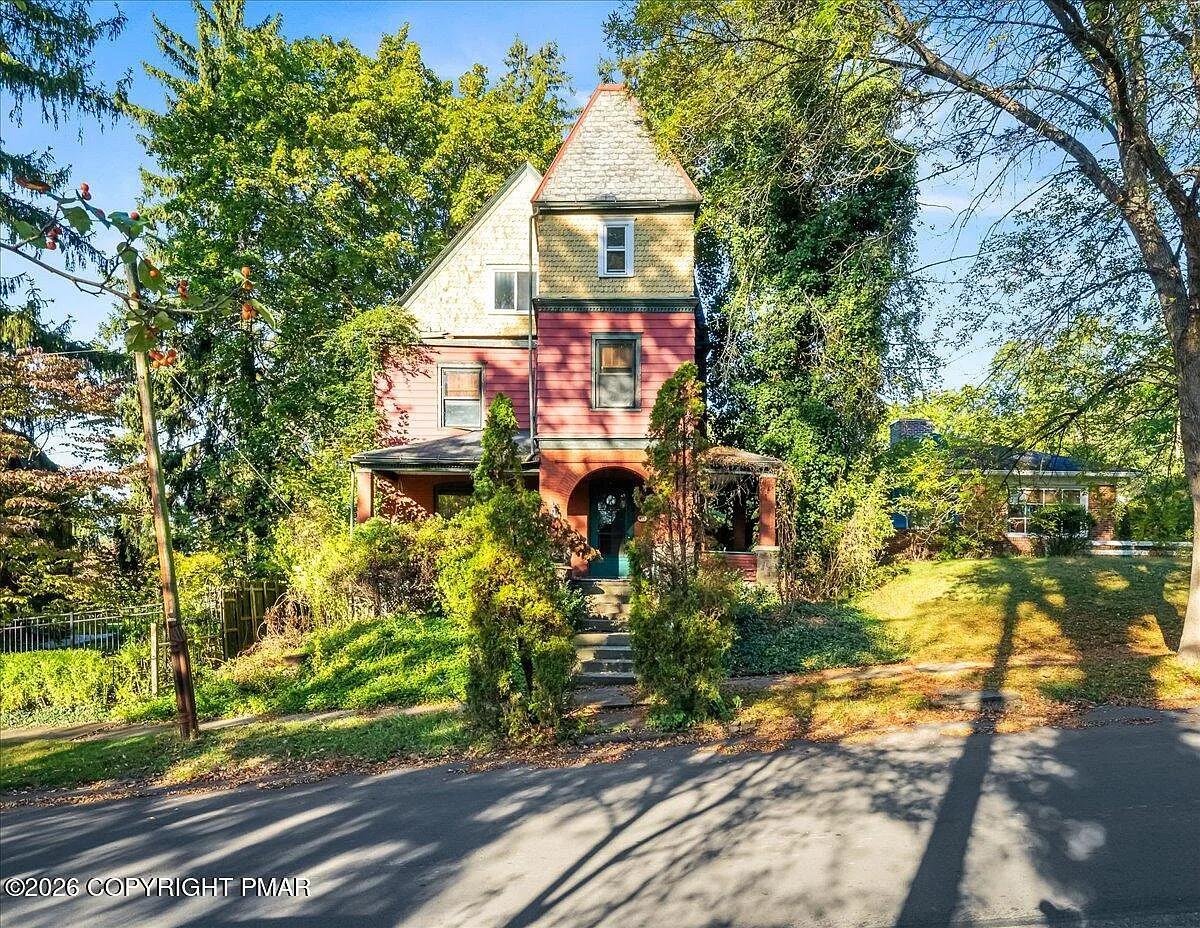
Active city citations and fines for exterior violations. The sellers needed to close before further code enforcement escalation — we did.
Read the full story →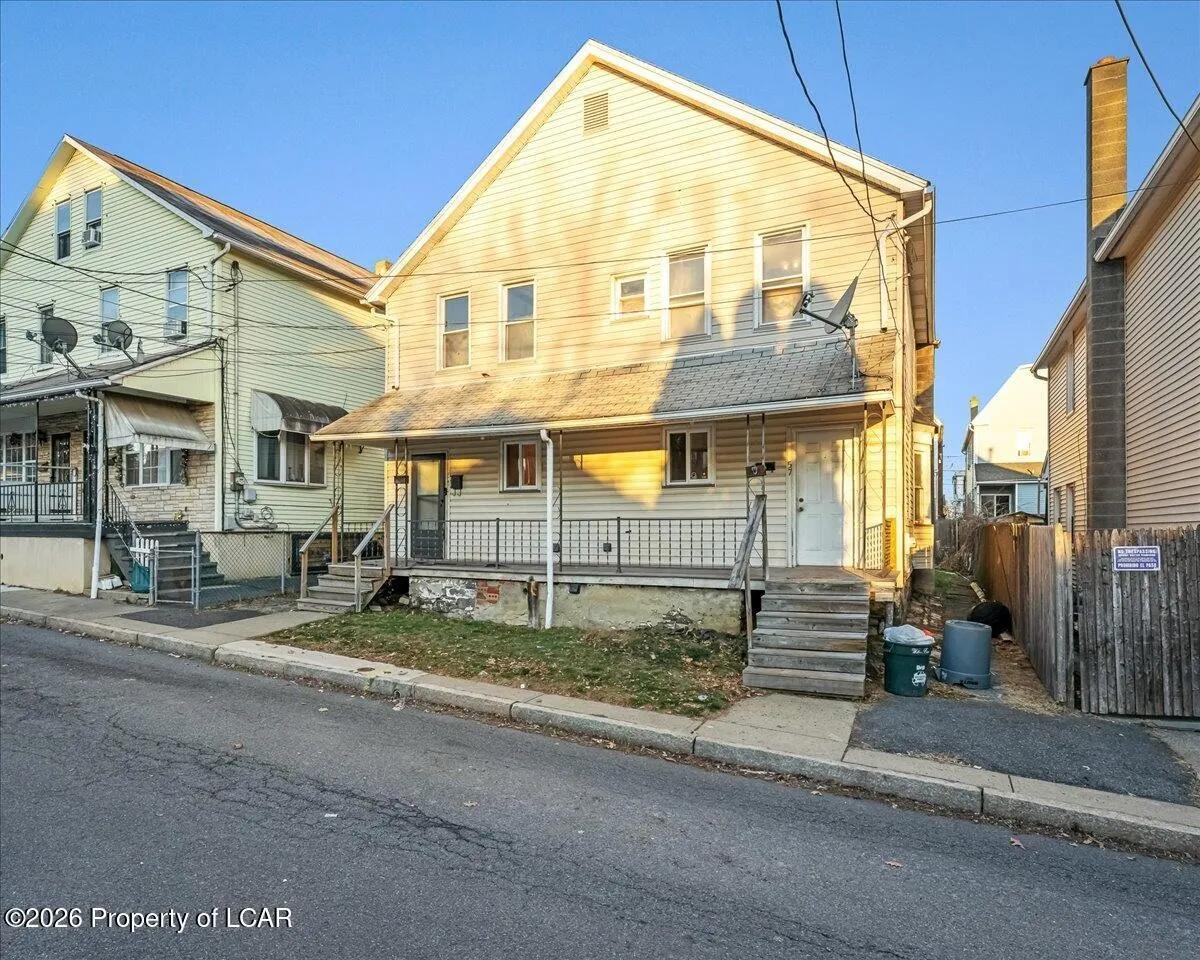
A probate lien was blocking the title. We worked with a probate attorney to clear it — the seller didn't have to manage any of it.
Read the full story →