
Selling a Marital Home in Pennsylvania Divorce — What You Need to Know
Pennsylvania is an equitable distribution state under 23 Pa. C.S. § 3501, which means marital property — including your home — is divided "fairly" (not necessarily 50/50) based on factors like length of marriage, each spouse's income and earning potential, and contributions to the marriage. This gives couples some flexibility in how they handle the family home, but it also creates room for significant disagreement.
When both spouses agree to sell the home and split proceeds, the process is straightforward. When they don't, things get complicated — and expensive. A contested property dispute in Lackawanna County Family Court can add months and tens of thousands in legal fees to an already difficult process.
The Three Paths for the Marital Home in a PA Divorce
Path 1: One Spouse Buys Out the Other
If one spouse wants to keep the home, they can buy out the other's share of the equity and refinance the mortgage into their name alone. This requires the buying spouse to independently qualify for the mortgage — which can be difficult if both incomes were previously needed. Buyouts require a formal appraisal (PA courts typically order an independent appraisal), and both spouses' attorneys must approve the terms. This is often the slowest option.
Path 2: Defer Sale (Typically for Children)
If minor children are involved, a court may allow one parent to remain in the home until children reach 18 or graduate high school. Under this arrangement, both spouses typically remain on the mortgage (creating ongoing financial entanglement) and agree on how to split equity when the home eventually sells. This arrangement can last years and requires ongoing cooperation — which is often in short supply during and after divorce.
Path 3: Sell the Home and Split Proceeds
This is the cleanest path — it severs financial ties completely, provides liquid assets that are easier to divide, and lets both parties move forward. The challenge is timing: traditional listings take 60–90+ days, require both spouses' cooperation on showings and repairs, and can drag out the emotional and financial uncertainty of divorce. A cash sale to Simply Sold RE solves all of these problems at once — we buy houses in Scranton in any condition, so neither spouse has to front the cost of repairs, cleanout or staging while the divorce is still unresolved.
How a Cash Sale Streamlines a Divorce Property Settlement
We can work with one or both parties — and coordinate with divorce attorneys as needed.
No repeated showings. No strangers walking through the home during an emotional time.
PA law requires both title owners to sign. Your attorneys can review the agreement before signing.
Settlement proceeds are disbursed per the separation agreement — either equally or as directed by court order.
The mortgage is paid off at closing. Both parties are released from obligation — clean break.
Pennsylvania Transfer Tax in Divorce Sales
Pennsylvania's state realty transfer tax is 1%, plus a local share that depends on the municipality and school district. In the City of Scranton the combined rate is 3.7%; elsewhere in Lackawanna County it is 2% (Lackawanna County Recorder of Deeds). However, under PA law, transfers between spouses incident to divorce — including a buyout — are generally exempt from state transfer tax. Transfers to third parties (i.e., selling to an outside cash buyer) are not exempt, but the costs are borne as part of closing. Simply Sold RE pays all closing costs, including transfer taxes.
What Happens When Spouses Can't Agree — Partition Actions
If you and your spouse cannot agree on what to do with the marital home and a court hasn't yet ordered a specific outcome, either party can file a partition action in the Lackawanna County Court of Common Pleas. In a partition action, the court can order the property to be physically divided (nearly impossible for a house) or — more likely — order it sold at public auction. Partition sales at auction almost always yield below-market prices. This is the worst outcome for both parties' equity.
Calling Simply Sold RE before reaching partition action preserves equity, saves legal fees, and lets both parties control the timeline and terms rather than leaving it to a court.
Scranton Area Resources for Divorcing Homeowners
Lackawanna County Family Court
Lackawanna County Court of Common Pleas, Family Division
200 N. Washington Ave, Scranton, PA 18503 · (570) 963-6723
Northeast PA Legal Aid
(570) 346-8211 · nepalegalservices.org
Free or low-cost family law assistance for qualifying Lackawanna County residents.
Lackawanna County Bar Association Referral Service
(570) 969-9600
Referrals to qualified family law and real estate attorneys in the Scranton area.
Women's Resource Center — NEPA
(570) 346-4671 · wrcnepa.org
Advocacy, legal referrals, and housing resources for women going through divorce in NEPA.
Why Simply Sold RE Works Well for Divorce Property Sales
We've worked with divorced and divorcing sellers across Lackawanna and Luzerne Counties many times. We understand the emotional weight of selling a family home and the logistical difficulty of coordinating between two people who may not be on speaking terms. We can communicate separately with each party, coordinate directly with divorce attorneys, and close on a timeline that aligns with your settlement agreement. No showings, no repairs — just a clean, fast close that lets both of you move forward.
Pennsylvania Divorce Law and the Family Home — What Courts Actually Do
Lackawanna County divorce cases are handled by the Lackawanna County Court of Common Pleas — Family Court Division (200 N. Washington Ave, Scranton, PA 18503). Under Pennsylvania's Divorce Code (23 Pa. C.S. § 3301 et seq.), a divorce can be filed on fault or no-fault grounds. The division of marital property — including the home — is governed by equitable distribution principles regardless of which party caused the divorce.
Key Pennsylvania rules that affect the family home:
- Marital vs. separate property: The home is marital property if it was acquired during the marriage, even if only one spouse is on the deed. Equity built during the marriage belongs to both parties. Pre-marital equity (if you owned the home before marrying) may be treated as separate property.
- Date of separation matters: Pennsylvania courts use the date of separation to determine what is "marital" vs. "post-marital" — appreciation after separation may be treated differently.
- You don't need a final divorce decree to sell: Both spouses can agree to sell the home and split proceeds at any point during the divorce process — even before the divorce is finalized. This is often the fastest resolution.
- Forced sale via court order: If one spouse refuses to cooperate with a sale the court has ordered, the court can appoint a special master to execute the sale on behalf of the estate — but this process takes months and costs tens of thousands in legal fees.
Quitclaim Deeds in Pennsylvania Divorce Sales
When one spouse is buying out the other or when the court awards the home to one party, a quitclaim deed is typically used to transfer the departing spouse's interest. A quitclaim deed does not guarantee clear title — it only transfers whatever interest the grantor has. For sales to third parties (like Simply Sold RE), a warranty deed is standard. Both spouses must sign the deed at closing.
Pennsylvania charges a 1% state realty transfer tax plus a local transfer tax (in the City of Scranton the combined total is 3.7%). Under Pennsylvania law, transfers between spouses incident to divorce are exempt from transfer tax. This exemption applies if the transfer is pursuant to a court order or a separation agreement executed in contemplation of divorce. When selling to a third party, standard transfer tax applies — but in a cash sale to Simply Sold RE, we cover all closing costs and transfer taxes.
Protecting Your Equity During a Contentious Divorce
In contested divorces where one spouse may be attempting to manipulate the property — refusing to maintain it, allowing it to deteriorate, or running up debts — Pennsylvania courts can issue injunctions to prevent "dissipation of marital assets." If you believe your spouse is deliberately damaging or neglecting the property, your divorce attorney can seek emergency relief.
A cash sale to Simply Sold RE can resolve much of this risk: once both parties sign the purchase agreement, the property is under contract and proceeds are split at closing by the title company. Neither party can access the equity unilaterally once the transaction is in process.
Ready to Discuss Your Situation?
Talk it through with us before the next mediation or court date. We will tell you plainly what the house is worth as-is and how quickly both of you could be paid out.
Real Properties We've Purchased
Here are two Pennsylvania houses we bought from owners who needed a clean, certain exit, the same thing most divorcing couples want. Open either one for the details.
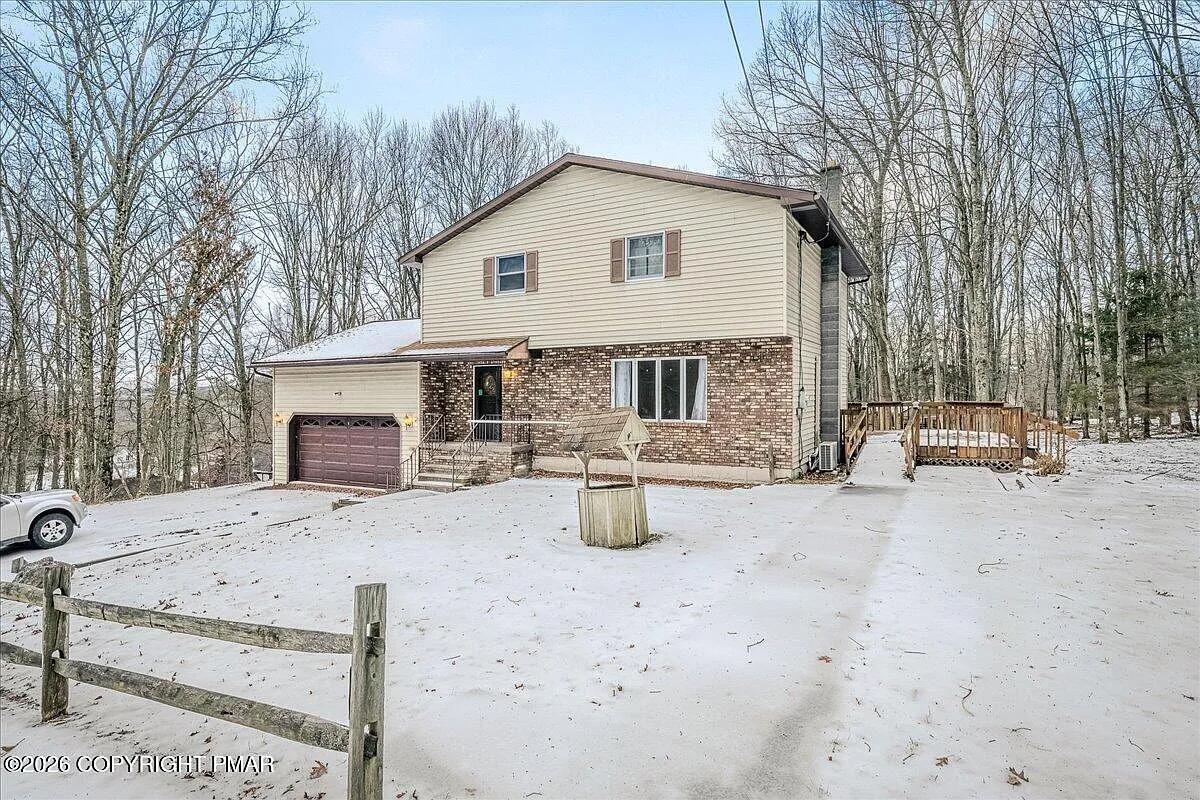
Seller was on vacation when the original deal fell apart. Needed a clean, certain close with no complications. We stepped in and closed as-is.
Read the full story →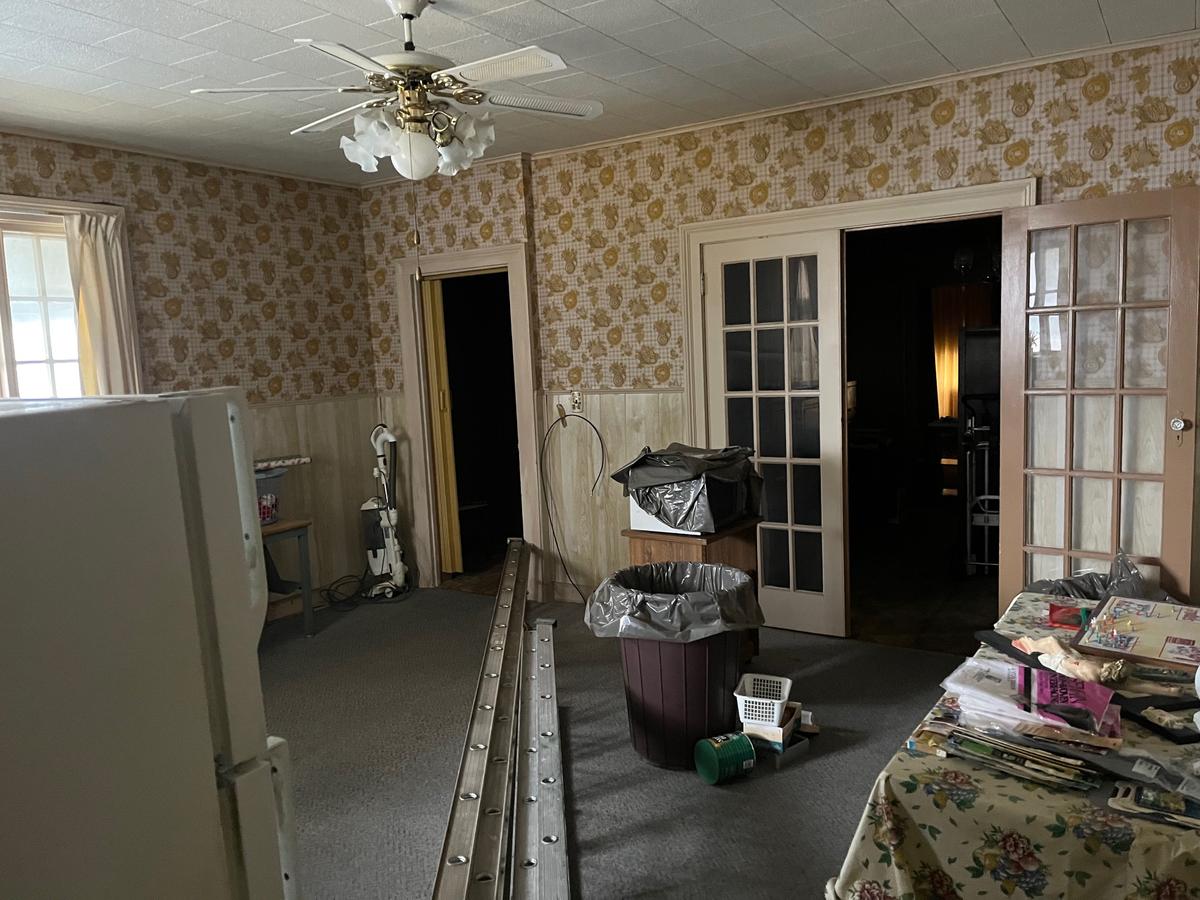
Son acting as POA needed a clean exit with no disclosure burden. We bought the vacant property as-is — full contents, no cleanout required.
Read the full story →