A 1901 Victorian
and a Failed Wholesaler
The House
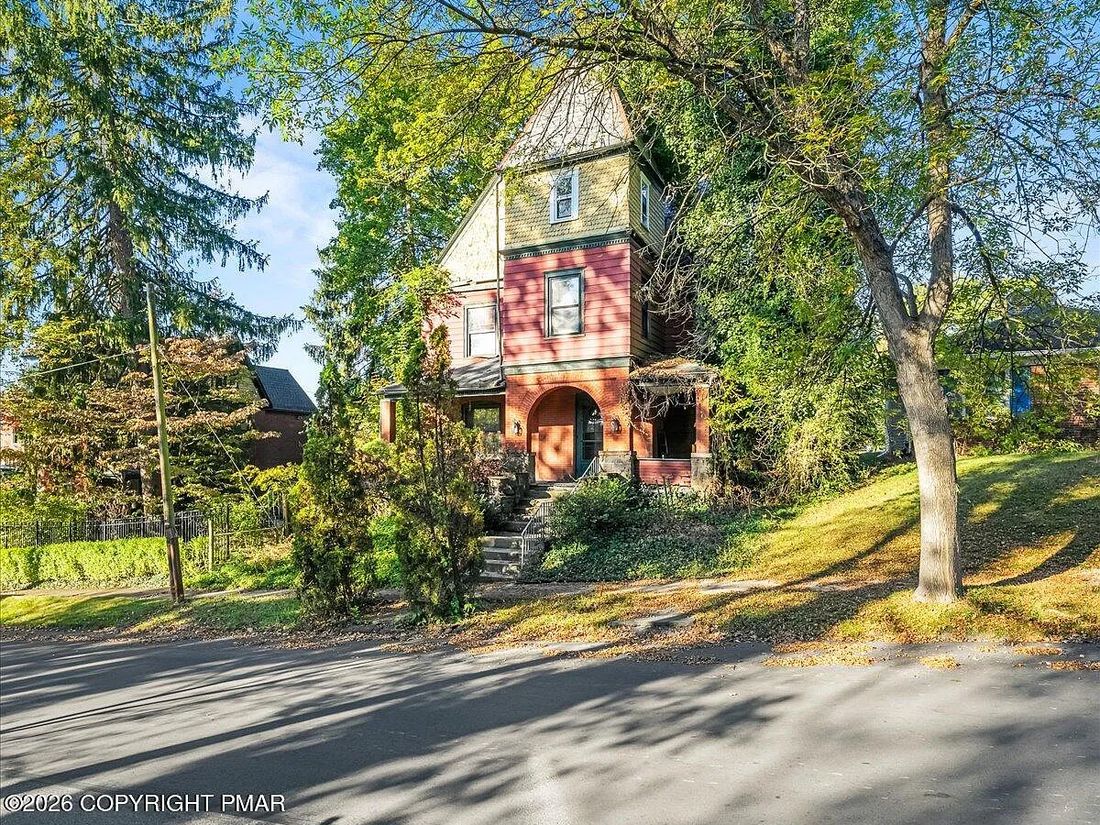
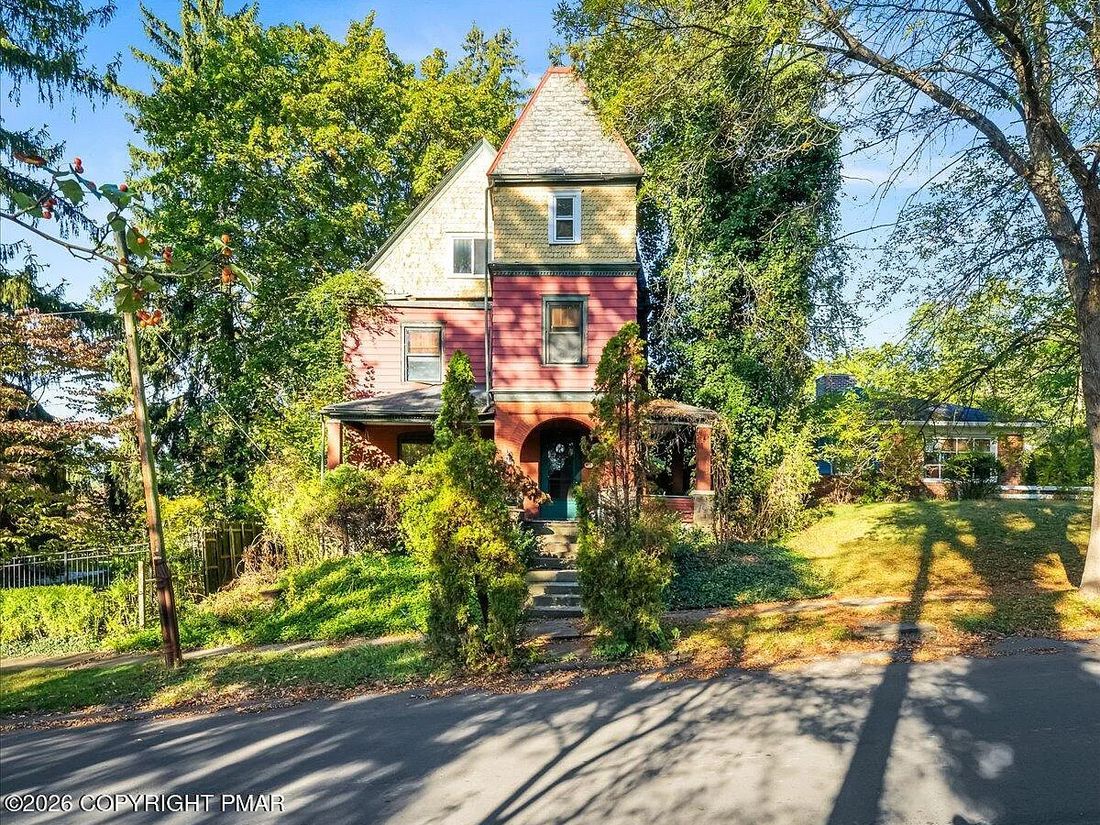
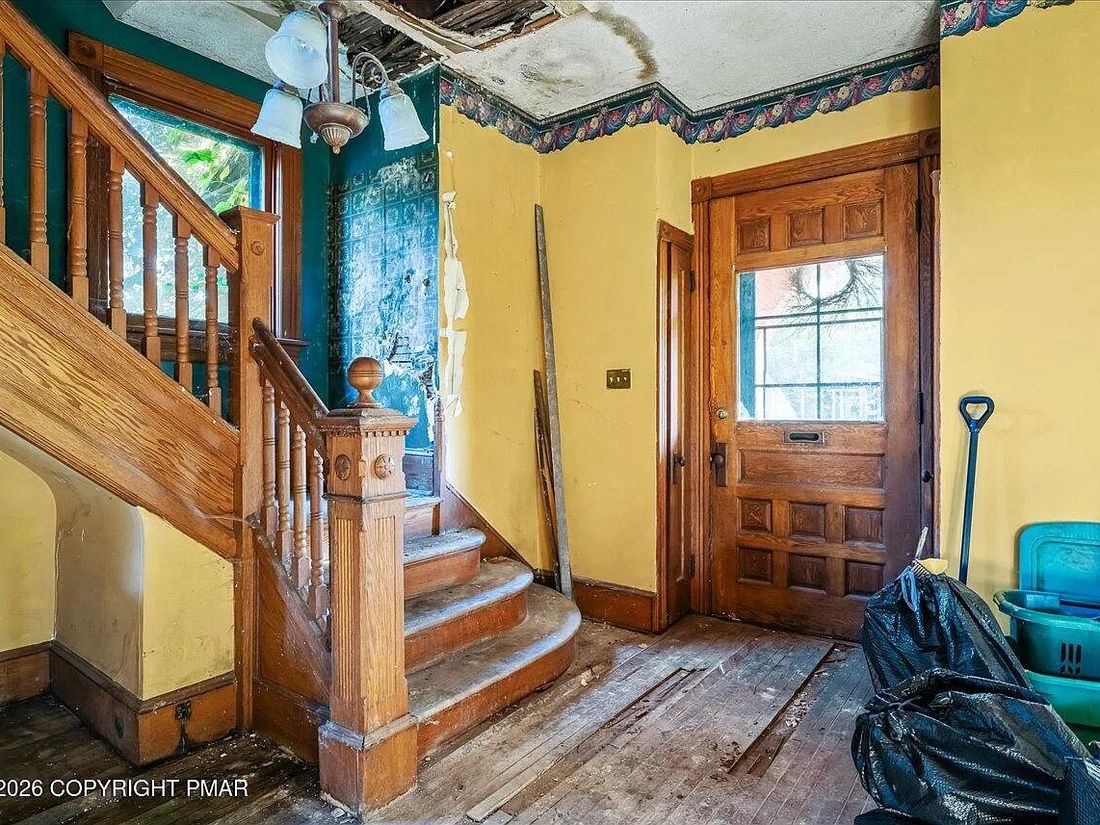
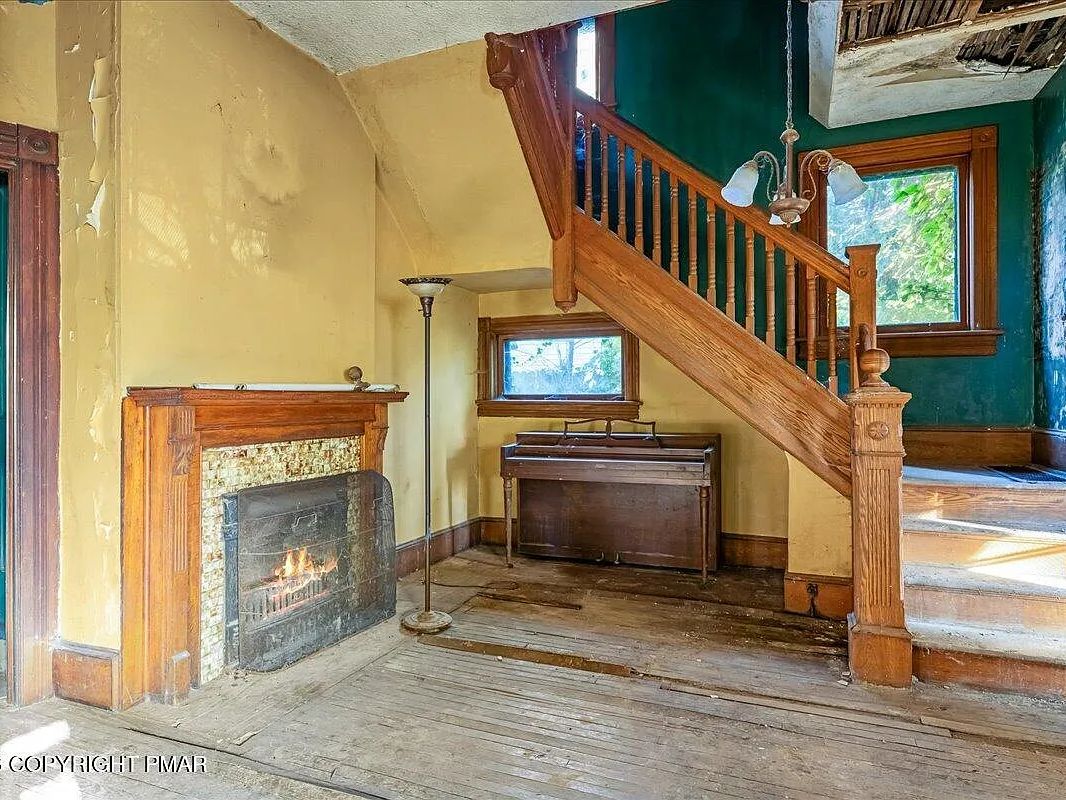
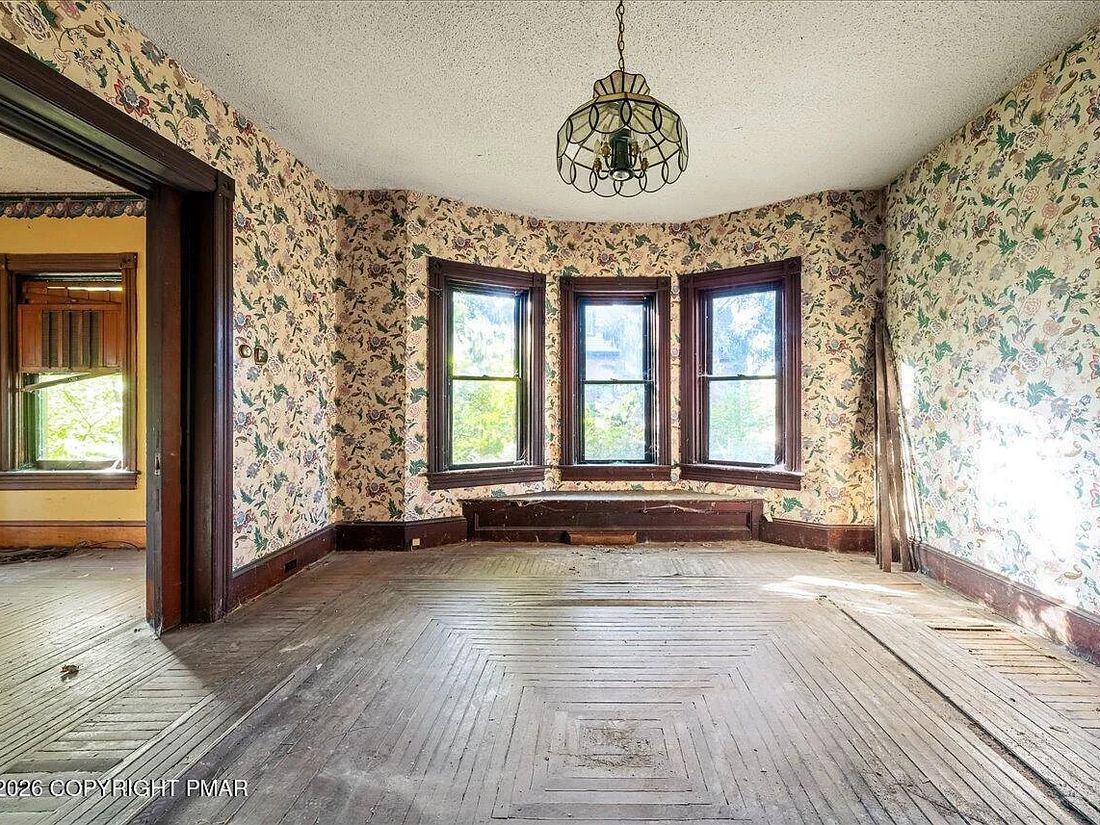
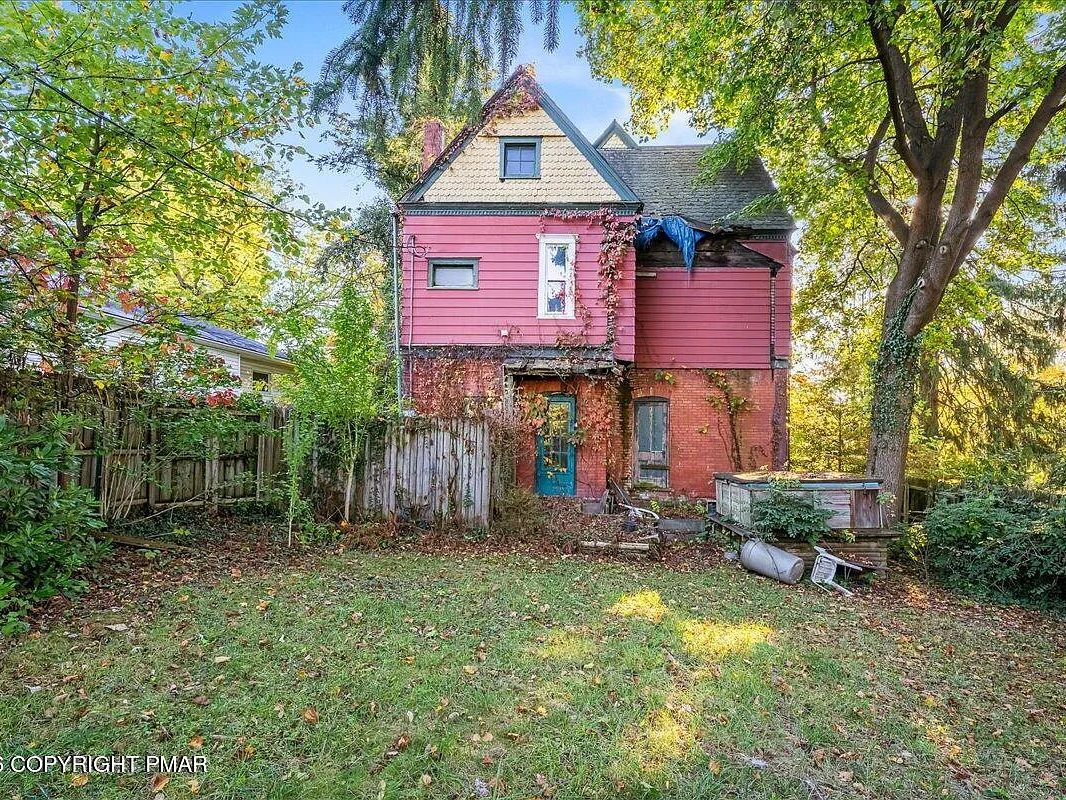
This is a 1901 Victorian on First Avenue in Williamsport — three storeys, a turret, carved staircase, original mantels, the kind of house built when Williamsport's lumber money was at its height and craftsmen were cheap.
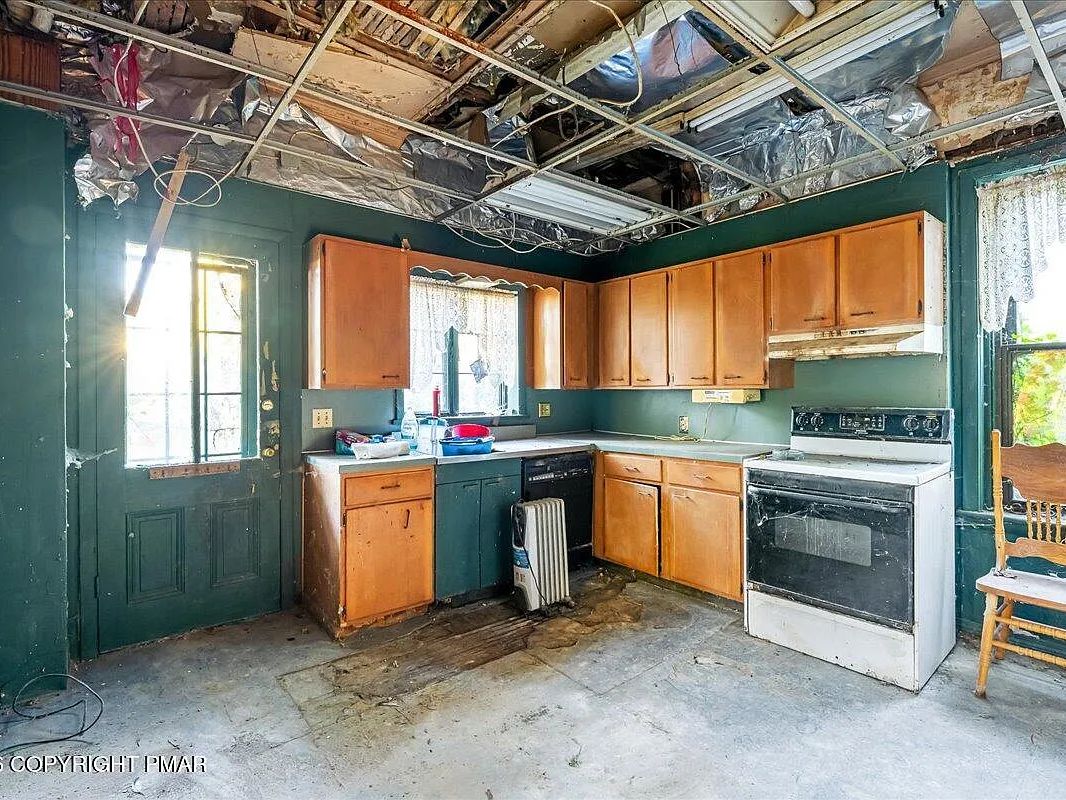
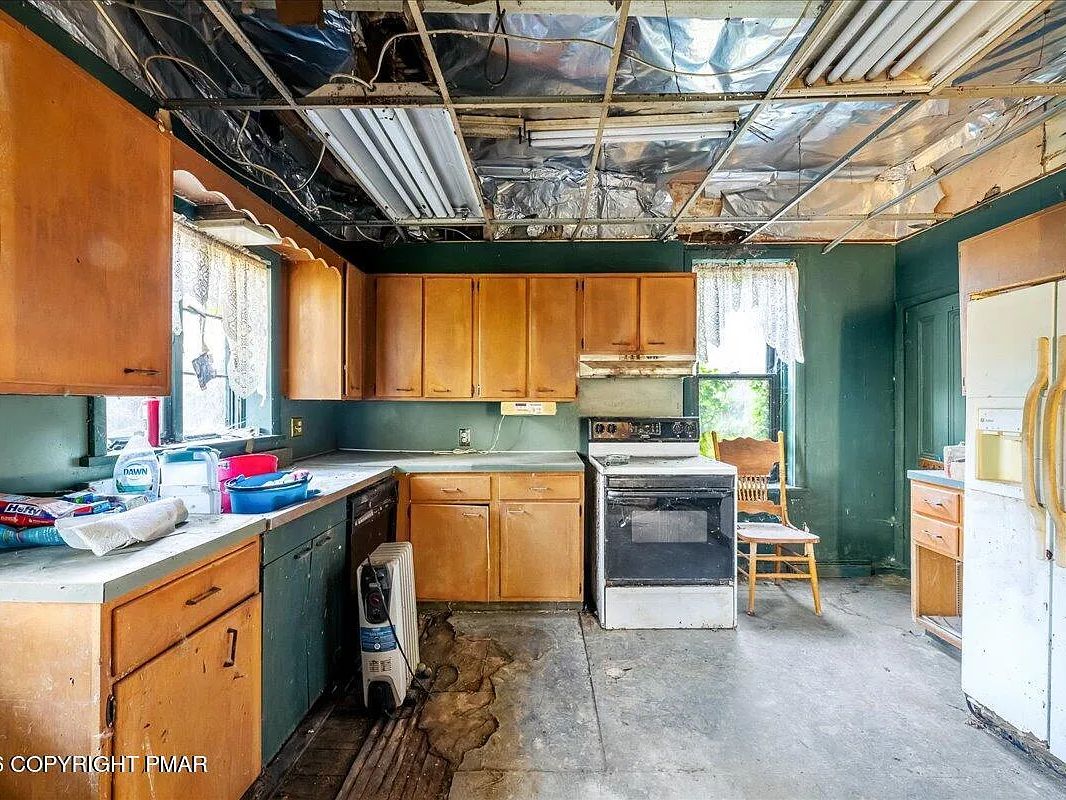
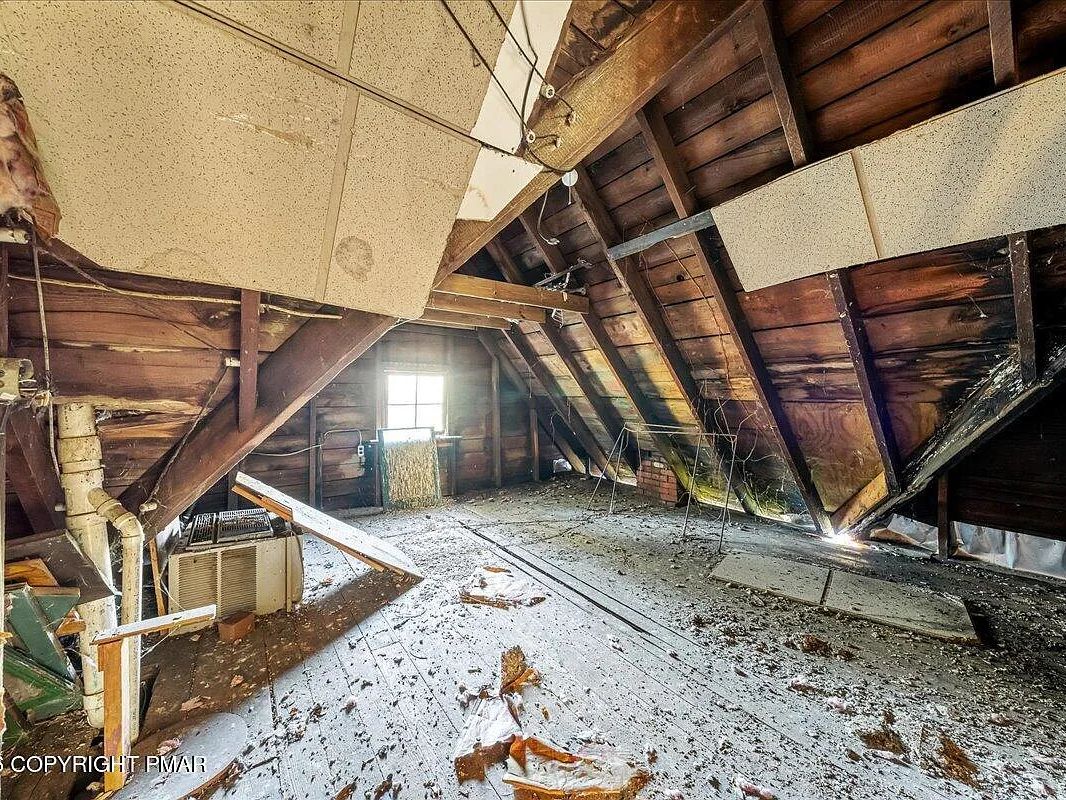
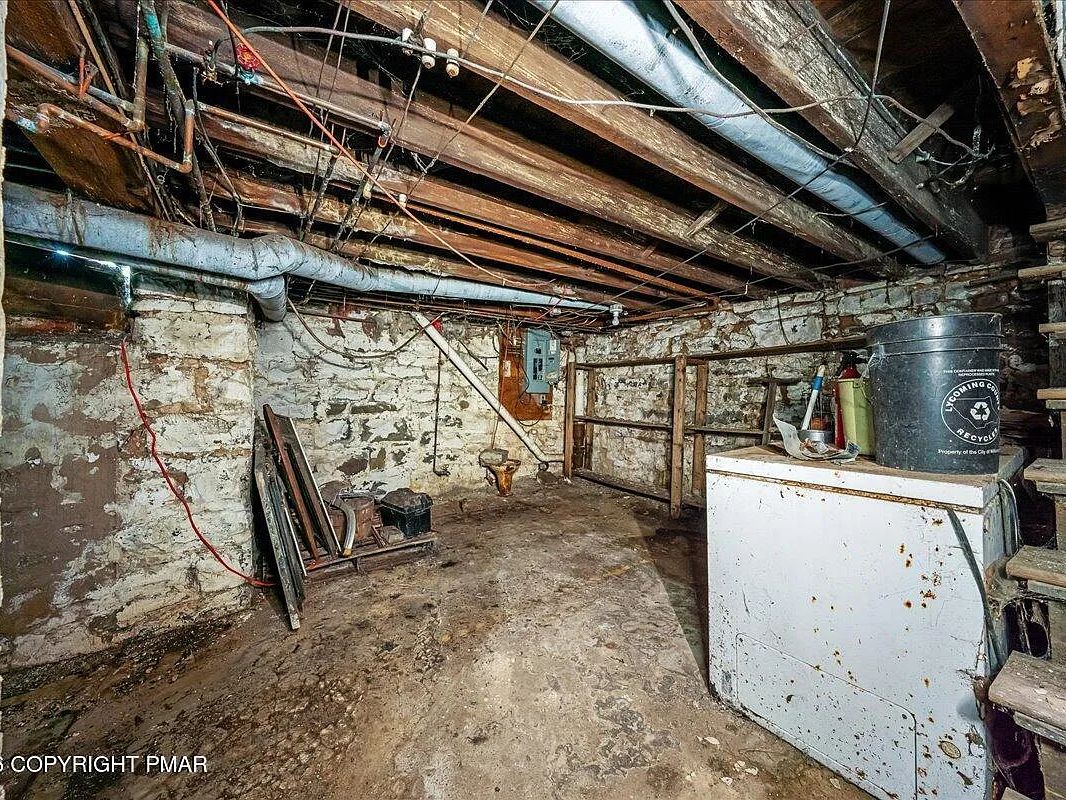
By the time it reached us it was in serious trouble. A collapsed porch. Major roof leaks that had been running long enough to bring ceilings down and expose structure. Extensive mould and water damage through the building.
The photographs are worth looking at, because they show both things at once: genuine architectural quality, and genuine deterioration sitting on top of it.
The Sellers' Situation
An older couple owned it, and both had developed serious health problems. A three-storey Victorian is demanding to maintain in good health. In poor health it becomes impossible — and here it had gone past impossible to unsafe. The condition had deteriorated to the point where the seller's wife could no longer safely enter the building at all.
Consider what that rules out. She could not sort belongings. She could not meet contractors. She could not be present for showings. Any sale process that assumed the owners could prepare the house was not available to them.
What Had Already Gone Wrong
Before us, they had signed with a wholesaler who tied the property up for 75 days and never closed.
This deserves plain speaking, because it is common and it does real harm. A wholesaler typically puts a property under contract with no intention of buying it, then tries to assign that contract to an actual buyer for a fee. If they find one, it closes. If they do not, the contract lapses and the seller has lost the time.
For these sellers that was 75 days of continuing to own an unsafe house while believing the problem was being solved. It also did something less visible but more corrosive: it destroyed their confidence that anyone who turned up would actually perform.
Ask directly: are you buying this yourself, or assigning the contract to someone else? Ask what happens if you cannot find an end buyer. Ask for proof of funds and check that it is in the name of the party on the contract. Ask how long they need and what specifically could make them walk. A real buyer answers all of that without hesitation. Anyone who becomes vague about whether they are the buyer is telling you something important.
What We Offered
A walk-away sale, in the literal sense:
- Purchased as-is — the porch, the roof, the mould, the structure, all of it ours
- No clean-out required — nothing to sort, box or remove, which mattered enormously given neither seller could safely be in the building
- No repairs, no inspection renegotiation — the condition was priced in from the start rather than used as leverage later
- A flexible arrangement allowing the family to salvage sentimental landscaping before closing
That last item is small and we mention it deliberately. Plantings someone put in decades ago and tended since are not a line item on a settlement statement, but they matter. Giving the family time to lift what they wanted to keep cost us nothing and meant something to them. Restoring confidence after a failed wholesaler was largely a matter of doing what we said, in small things as well as large.
Selling an Older Home in Poor Condition
Williamsport, Scranton and the older NEPA cities have a great deal of Victorian-era housing, and much of it is now owned by people who bought decades ago and can no longer maintain it. If that describes your situation:
Structural problems compound. A roof leak becomes water damage, which becomes rot, which becomes structural, which becomes mould. Each stage costs more than the last, and the interval between them shortens.
Mould changes who can buy. Financed buyers and their lenders treat visible mould seriously, and remediation can be required before a loan will fund. That narrows the pool to cash buyers regardless of what the house could be.
The architecture is worth something, but only to the right buyer. Original detailing has real value to someone with the resources for a proper restoration. That is a small pool, and they price the work accurately because they understand it.
Do not renovate first. On a house at this level of deterioration, partial repairs consume money without reaching the threshold where a conventional buyer becomes willing. Our as-is versus renovate breakdown works through where that line sits.
We buy houses in any condition, including severe structural damage, inherited property, homes owned by people downsizing for health reasons, properties carrying tax liens, and rentals. To understand where a number on a house like this comes from, read how cash offers are calculated. And before you sign with anyone, read how to tell a legitimate cash buyer from a bad one — these sellers learned that lesson the expensive way.
Where We Buy in Pennsylvania
Williamsport is in Lycoming County, west of our core NEPA market. We buy there and across Scranton, Wilkes-Barre, Kingston, Pittston, Dunmore, Old Forge, Clarks Summit, Carbondale, Nanticoke, Hazleton and Stroudsburg. See all areas we serve, read how the process works, or see what sellers say about working with us.
Distressed Properties & Wholesalers — Common Questions
What is a wholesaler and why did the first deal fail?
A wholesaler puts a property under contract without intending to buy it, then tries to assign that contract to a real buyer for a fee. If they find one, the sale closes. If they do not, the contract expires and the seller has lost the time — 75 days in this case. Wholesaling is legal and some operators are competent, but the seller carries a risk they are frequently not told about: the person signing may have no ability to close.
How do I know a cash buyer will actually close?
Ask whether they are buying it themselves or assigning the contract. Ask what happens if they cannot find an end buyer. Ask for proof of funds in the name of the entity on the contract. Ask what specifically could cause them to walk. A genuine buyer answers all of it plainly. Vagueness about whether they are actually the purchaser is the clearest warning sign there is.
Can I sell a house with mould and water damage?
To a cash buyer, yes. To a financed buyer, usually not until it is remediated — lenders and insurers treat visible mould seriously, and remediation may be required before a loan will fund. That is the trap: the work has to be done before the sale, at the seller's cost, on a house they are trying to leave. We buy in this condition and take the remediation on ourselves.
What if I physically can't get into the house?
Then you should not have to. Both sellers here had health problems and the wife could not safely enter the building. We did not require them to sort belongings, meet contractors or attend showings. If a buyer's process depends on you preparing a house you cannot safely be inside, that process is wrong for your situation.
Do I have to clear the house out?
No. A walk-away sale means exactly that — take what you want and leave everything else. No boxing, no skip hire, no estate sale. On this property the only thing the family removed was some landscaping they had planted and wanted to keep, and we arranged the timing so they could.
Is an old Victorian worth more because of the architecture?
To the right buyer, genuinely yes — original staircases, mantels and detailing have real value to someone restoring properly. But that is a small pool of buyers, and they understand restoration costs precisely, so they price accordingly. Architectural quality raises the ceiling on what the house could eventually be worth; it does not change what it is worth today in a deteriorated state.
Should I fix the roof before selling?
On a house at this level of damage, almost certainly not. A new roof stops further deterioration but does not undo what has already happened — the ceilings, the mould, the structure below. Partial repairs on a severely distressed property consume money without reaching the point where a conventional financed buyer becomes willing. If the house is otherwise sound and the roof is the only issue, that is a different calculation.
How long does a sale like this take?
Our offer comes within about 24 hours of seeing the property. Closing can be as quick as a week where title is clear, or scheduled later if you need time — as we did here so the family could salvage what mattered to them. What we will not do is tie your property up for months on a maybe.
Do you charge fees or commissions?
No. No commission, no listing fees, and we cover standard closing costs. The figure we agree is the figure you receive. There is also no renegotiation after an inspection, because the condition is priced into the original offer rather than discovered later and used as leverage.
Do you buy houses in Williamsport and Lycoming County?
Yes. Our core market is northeastern Pennsylvania, but we buy across the state including Williamsport and Lycoming County. Older housing stock in poor condition is a property type we actively look for — the characteristics that make these homes impossible to finance are not obstacles for a cash purchase.