The Septic Failed
Days Before Closing
How the Deal Nearly Died
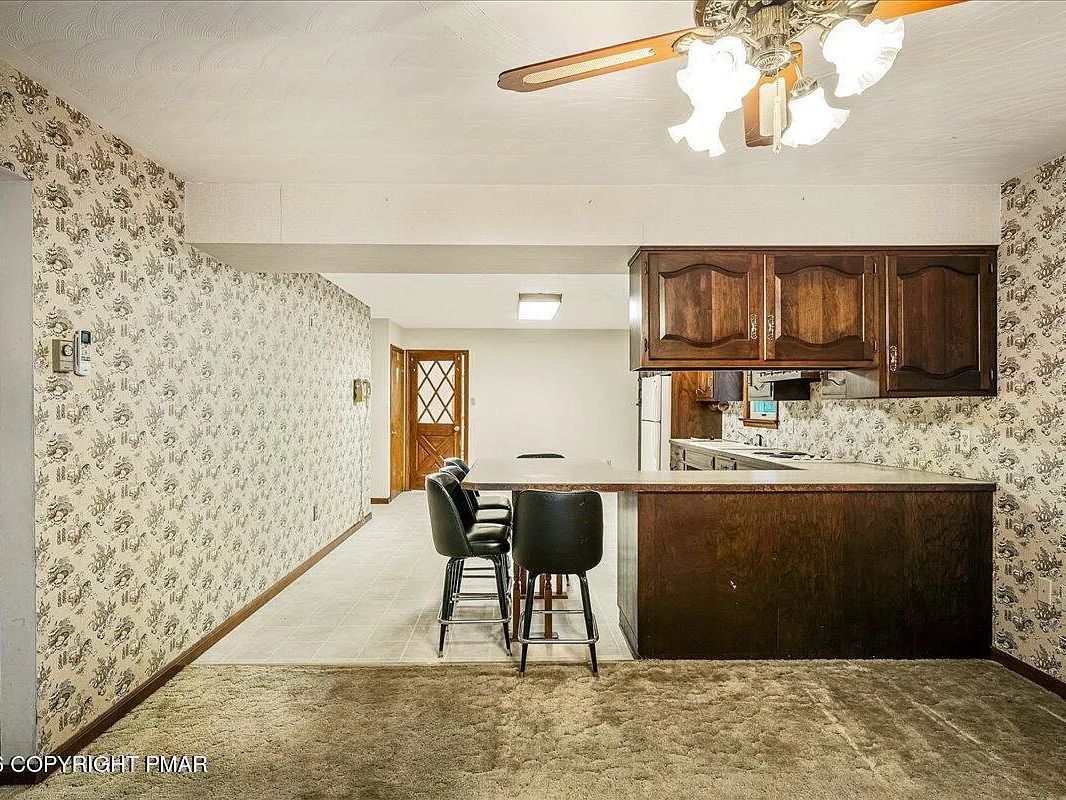
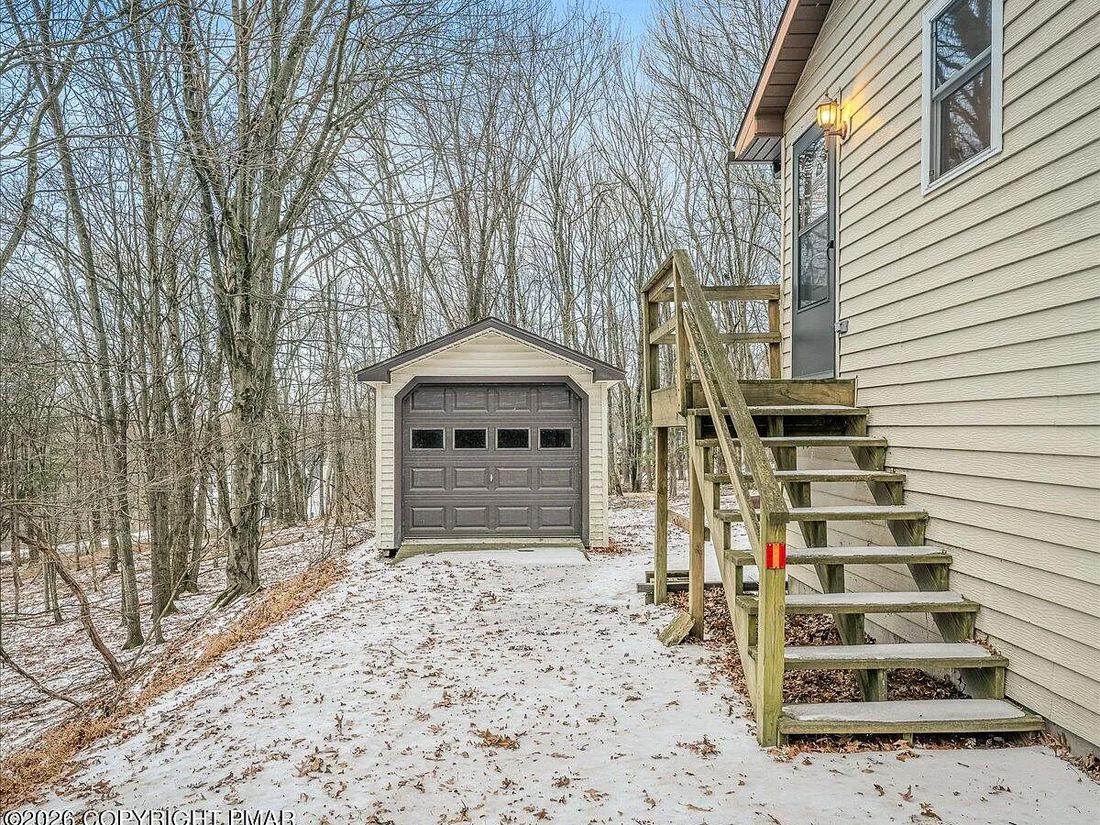
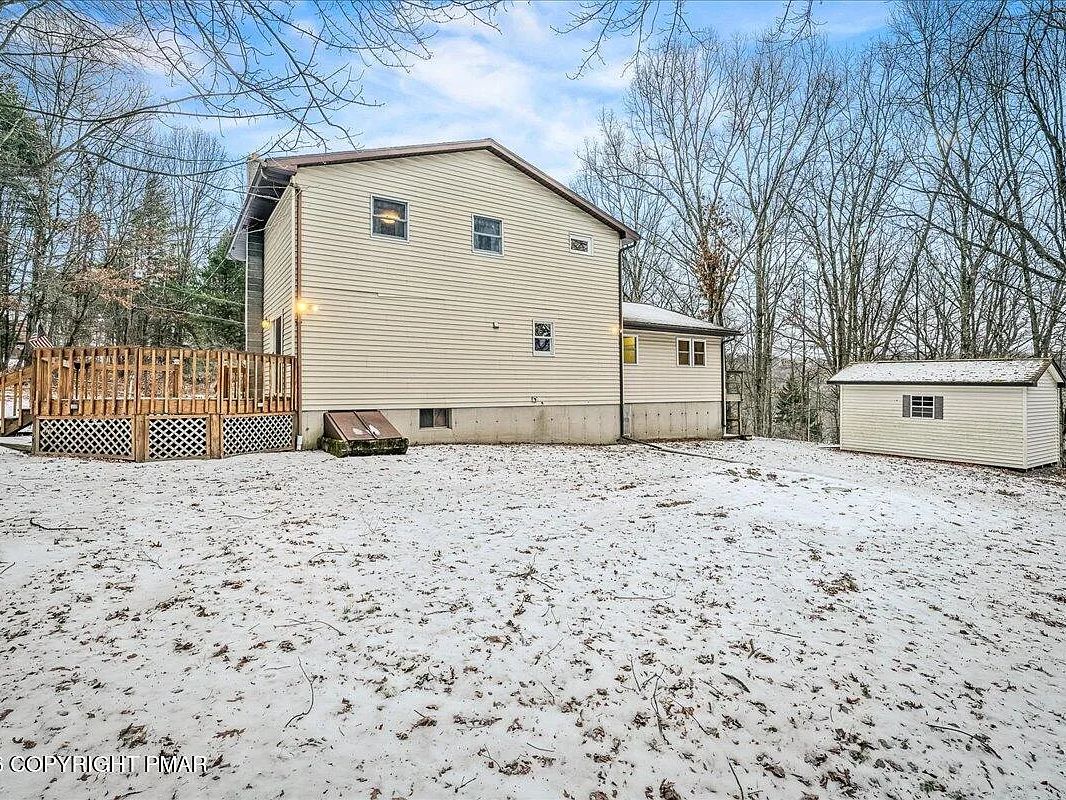
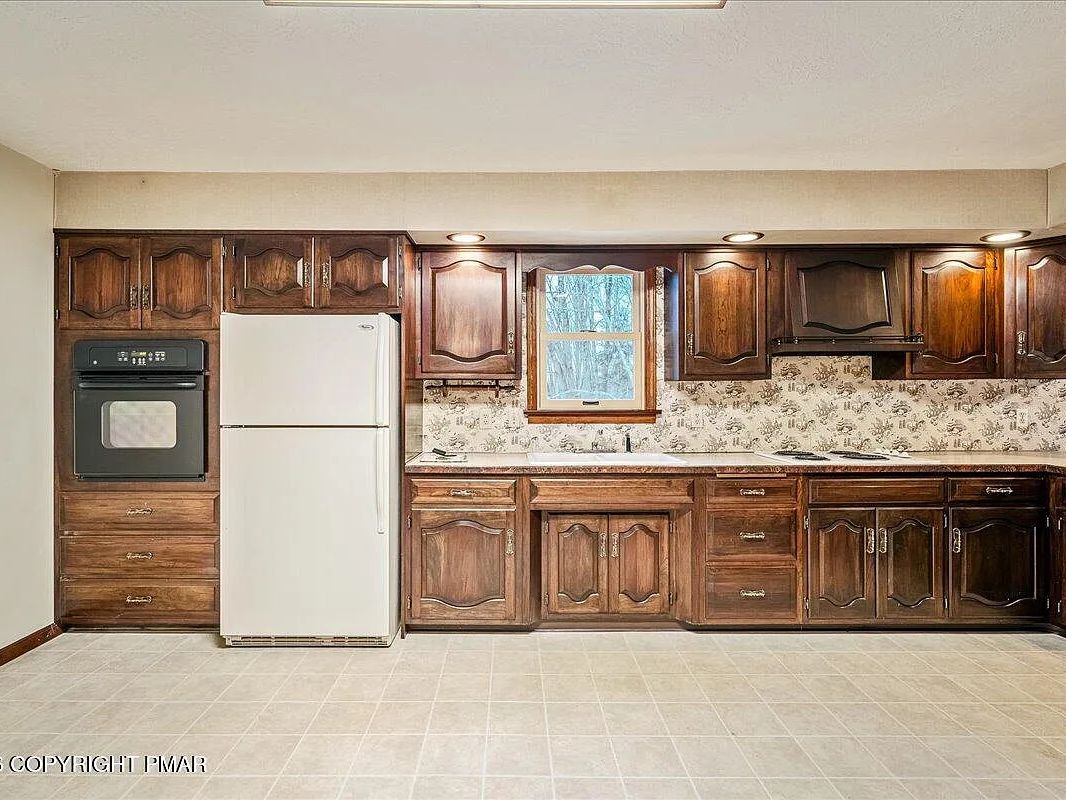
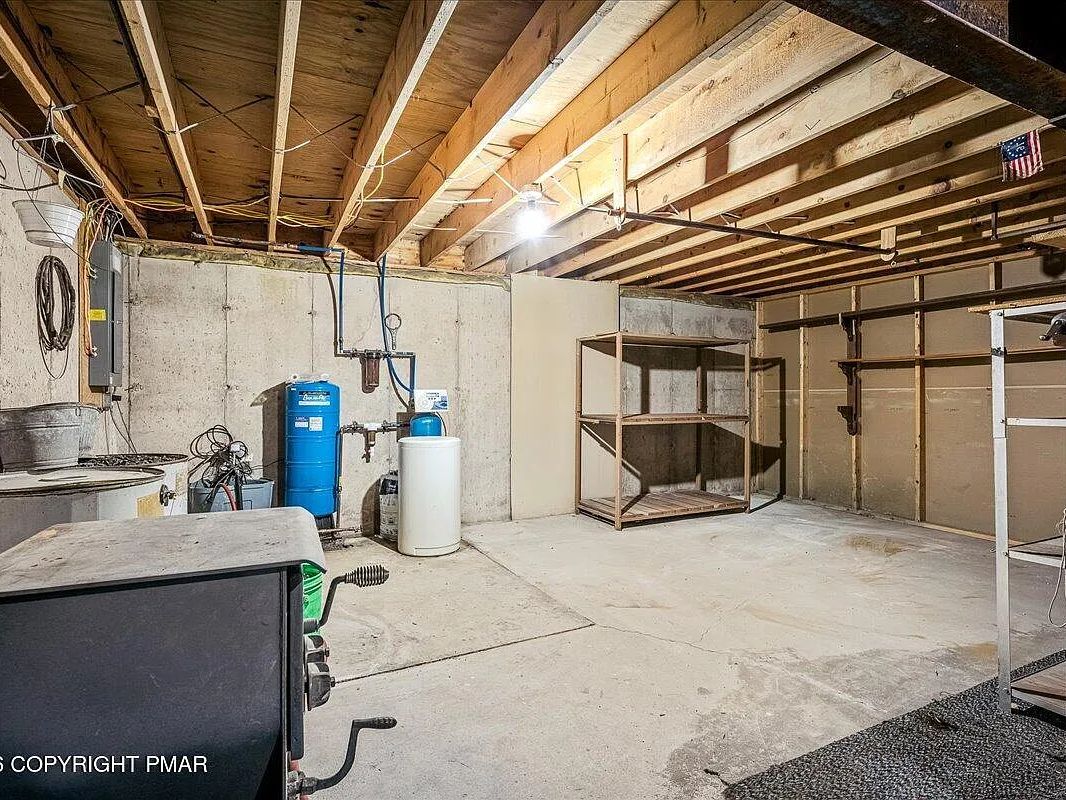
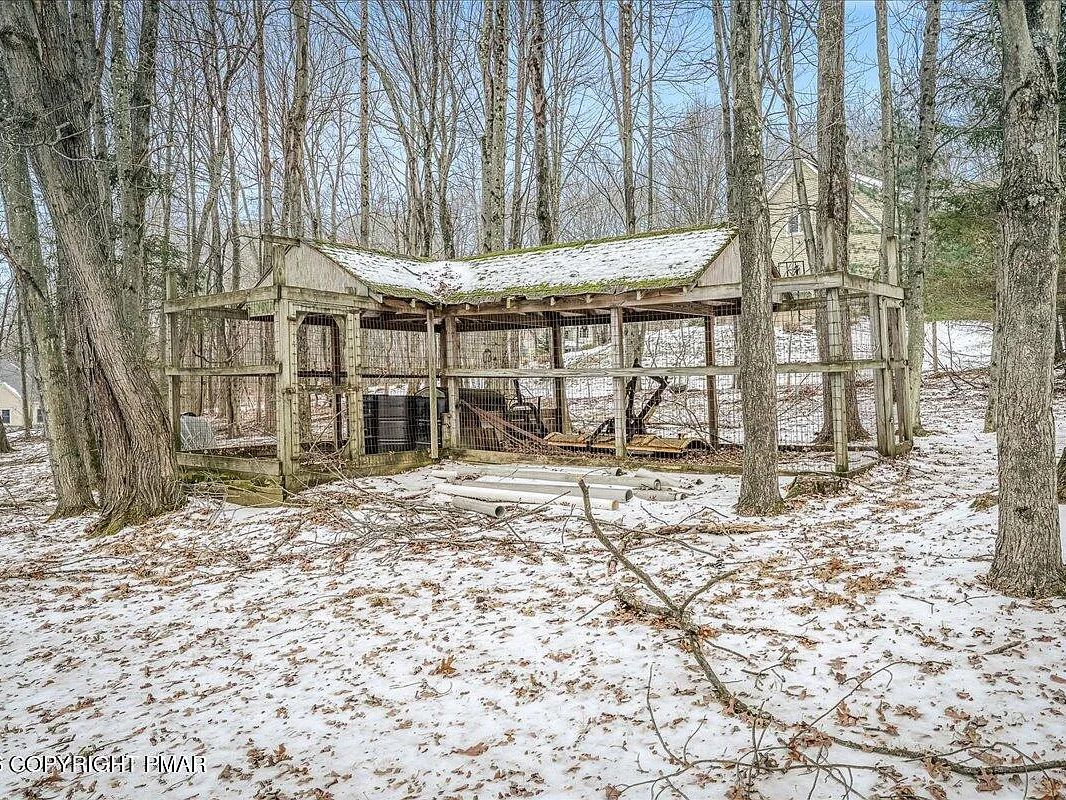
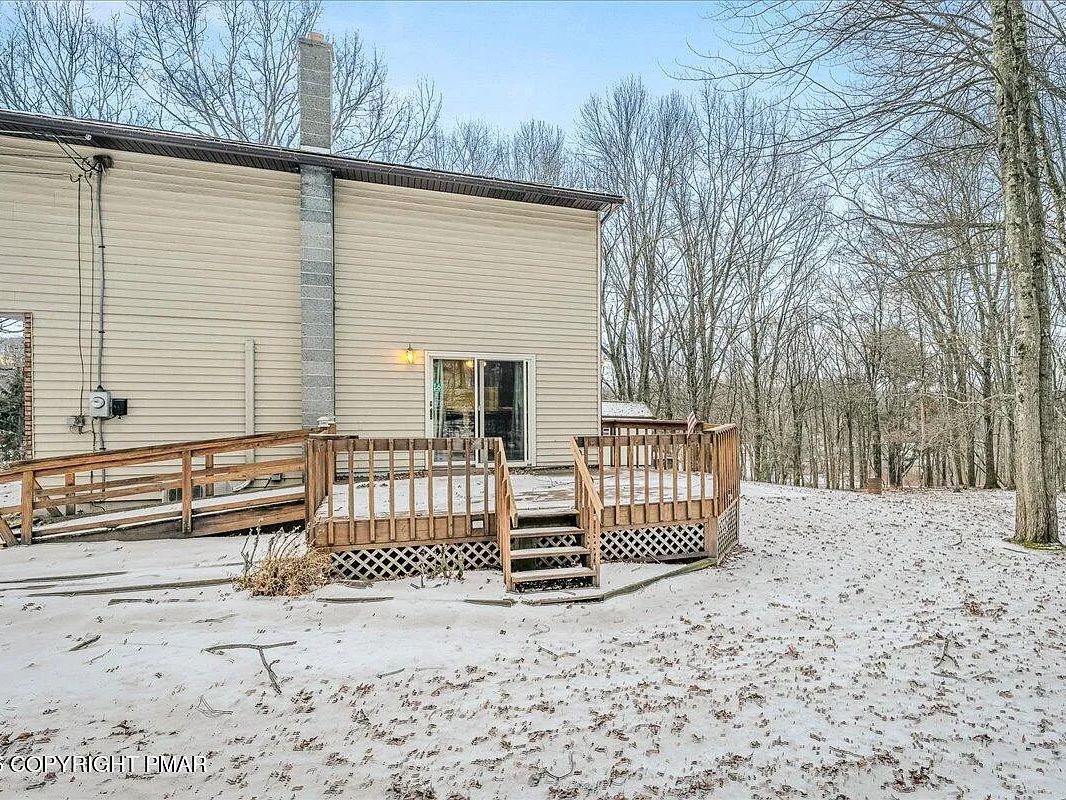
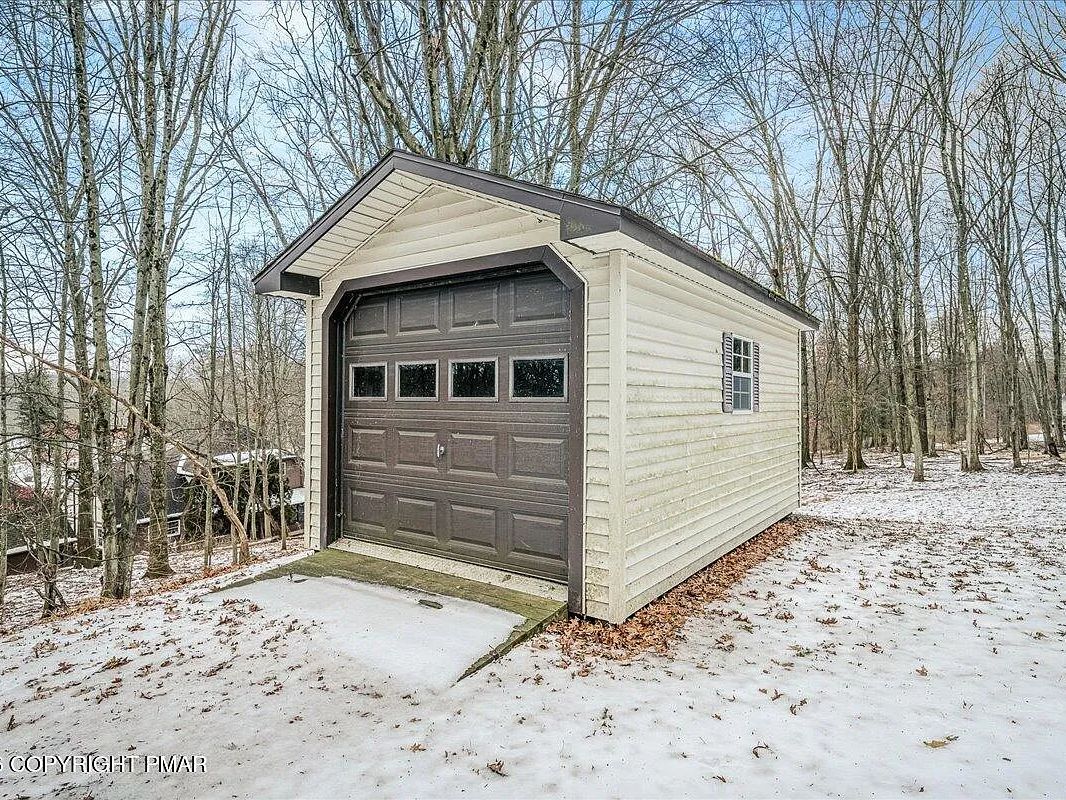
This transaction was already at the finish line. The property on Baines Lane sits on a wooded lot in Dallas, out in the Back Mountain area of Luzerne County, and like most homes out there it is not on municipal sewer — it runs on an on-site septic system.
The final septic inspection included a hydraulic load test. That test is exactly what it sounds like: the system is deliberately loaded with water to see whether it can actually absorb and disperse at the rate a household will demand. A visual inspection tells you what a tank looks like. A load test tells you whether the system works.
This one did not pass. The inspection found root intrusion into the system and deterioration of the concrete — two problems that are structural rather than maintenance, and neither of which is solved by pumping the tank.
It arrives late. Septic inspections and load tests are typically scheduled near the end of the process, so the failure lands when both sides have already spent weeks and money. The repair is expensive and not optional — a lender will not fund a home whose waste system does not function, and the county has its own requirements. And because the cost can swing enormously depending on whether the fix is a repair or a full replacement system, neither party knows what number they are actually arguing about.
What Root Intrusion and Concrete Deterioration Mean
Root intrusion happens because a septic system is, from a tree's point of view, a reliable underground supply of water and nutrients. Roots find their way into tank joints and drain lines, then expand. They restrict flow, they can crack what they grow into, and they will keep coming back unless the intrusion path is properly addressed.
Concrete deterioration is the tank itself breaking down. Septic tanks generate gases that, over decades, attack concrete from the inside. A deteriorating tank is a structural problem with a finite remaining life, and at some point it stops being repairable.
Together they mean a system near the end of its usable life on a property with no municipal alternative.
The Seller's Position
What made this work was that the seller was clear about his own priorities, and they were not what people assume.
He was away on vacation while the inspections were happening. He was managing the process remotely, from somewhere else, on a schedule he had planned around a closing that was already set. And when the septic failure produced a late request for a price reduction, his response was not to fight it — it was to keep the deal alive. He wanted to close, and he said as much.
That is a genuinely rational position, and it is worth naming because sellers are often told the opposite. Faced with a late reduction request, the instinct is to refuse on principle. But the alternative was: repair or replace the septic system himself, at his own cost, on a property he was leaving — or restart the marketing process from scratch with a now-documented septic failure that would have to be disclosed to every subsequent buyer.
Measured against those options, an adjustment that kept the closing on its original date was the better outcome. We negotiated the reduction, absorbed the septic problem, and closed on the accelerated timeline he wanted.
If You Have a Septic System and You're Selling
Much of the housing stock across the Back Mountain, the Poconos and rural Luzerne, Lackawanna and Monroe counties runs on private septic. If that is you, some practical guidance:
- Get ahead of it. If your system is old and you have not had it properly inspected, you are going to find out its condition during a transaction — at the worst possible moment, with a buyer waiting.
- Understand what test will be run. A visual inspection and a hydraulic load test are very different. Many buyers and lenders now require the load test, and a system that passes a visual can fail a load test comfortably.
- Know that repair costs vary enormously. A localised repair is one thing. A full replacement system, particularly where soil conditions require an engineered or sand-mound system, is a substantially larger number. Do not assume the low end.
- Once it has failed, it is disclosable. A failed test does not disappear if the deal does. You now know, and Pennsylvania's disclosure obligations mean the next buyer will know too.
That last point is the one sellers underestimate. Walking away from a deal over a septic reduction usually means relisting a property with a documented septic failure attached — which does not get you a better outcome, it gets you a worse one after a longer delay.
We buy homes with failed septic systems, wells, and other rural infrastructure problems as a matter of routine, along with houses needing substantial repair, inherited property, homes carrying tax liens, rentals, and properties owned by people relocating or downsizing. To see how a deduction like a septic system flows into a number, read how cash offers are calculated in NEPA, and if you are weighing repairs against selling as-is, our as-is versus renovate breakdown works through it.
Where We Buy in Northeastern Pennsylvania
Dallas sits in the Back Mountain, just north of Wilkes-Barre. We buy there and throughout Scranton, Wilkes-Barre, Kingston, Pittston, Dunmore, Old Forge, Clarks Summit, Carbondale, Nanticoke, Hazleton and Stroudsburg. See all areas we serve, read how the process works, or compare us honestly against listing with an agent.
Failed Septic Systems & Pennsylvania Sales — Common Questions
What is a hydraulic load test and why does it matter?
It is a test in which the septic system is deliberately loaded with water to measure whether it can actually absorb and disperse at household rates. This matters because a system can look perfectly acceptable on a visual inspection and still fail under load — the tank may be intact while the drain field no longer percolates. Many buyers and lenders now require the load test specifically, which is why systems that quietly passed inspections for years suddenly fail during a sale.
Can I sell a house in Pennsylvania with a failed septic system?
To a cash buyer, yes. To a financed buyer, generally not until it is repaired or replaced — a lender will not fund a home whose waste disposal system does not function, and county requirements apply as well. That is the bind: the repair has to happen before the sale, which means the seller funds it on a property they are leaving. We buy homes with failed septic systems routinely and take the repair on ourselves.
How much does septic repair or replacement cost?
The range is very wide, which is part of what makes these negotiations difficult. A localised repair — a damaged line, a baffle, root intrusion at a joint — is at the lower end. A complete replacement system is substantially more, and where soil or site conditions require an engineered or sand-mound system the cost climbs considerably further. Until a proper assessment is done, nobody knows which situation they are in, and that uncertainty alone stalls deals.
What causes root intrusion in a septic system?
Trees and shrubs seek out the reliable water and nutrients a septic system provides. Roots enter through joints, cracks or the drain field, then thicken and spread. They restrict flow, can crack the components they grow into, and will return unless the entry path itself is properly repaired. Wooded lots — which is most of the Back Mountain and the Poconos — are naturally more exposed to this.
The buyer wants a price reduction after a failed inspection. Should I agree?
Weigh it against your genuine alternatives rather than on principle. If you refuse, you either repair the system yourself at full cost, or relist a property with a documented septic failure that you must now disclose to every subsequent buyer. Neither of those is obviously better than an adjustment that keeps the closing on schedule. That is precisely the calculation this seller made — he prioritised the timeline, and it was the right call.
Do I have to disclose a failed septic test if the sale falls through?
Pennsylvania requires sellers to disclose known material defects, and a failed inspection is knowledge you now possess. It does not evaporate because the transaction did. This is why walking away from a deal over an inspection result frequently produces a worse outcome — you relist with a known defect attached and a stretch of days on market behind you.
Can you close if I'm out of town?
Yes. This seller was on vacation while the inspections were being carried out and the deal was renegotiated, and the closing still went ahead on schedule. You do not need to be physically present for inspections, and remote signing is routine. Tell us your constraints and we will work the process around them.
How quickly can you close on a house with a failed septic?
Quickly, because the septic result does not change our position — we are not obtaining financing, so there is no lender requiring the system be functional before funding. Where title is clear we can close in as little as a week. On this Dallas property the seller wanted an accelerated timeline and we met it.
Do you buy houses on well water too?
Yes. Rural properties across the Back Mountain and the Poconos commonly have both private well and on-site septic, and problems with either — failed water tests, low yield, contamination, failed septic — are among the more frequent reasons a financed sale collapses. Neither is an obstacle for us.
Do you buy in Dallas and the Back Mountain?
Yes. Dallas, Shavertown, Trucksville, Harveys Lake and the surrounding Back Mountain communities are within our market, along with Wilkes-Barre, Scranton and the wider NEPA region. Rural properties with private septic and well systems are a property type we buy regularly.